20 What's the function of an automation engineer in the industry? What program leads to it. Here some terms relatives to that. terms
Hi, I'm Brunell, an Electrical Engineering Technology – Automation student and it's my 3rd session. This glossary is for whose who are interested in this program or hesitate to enter or pursue on it. It may help you know what this program involves. It has twenty terms. It has definitions, examples, translations, pronunciations and images of many terms and aspects of this program and the job it leads to. I used google and Wikipedia to fill it. Feels free to give your opinions about it.
actuator
noun
A mechanical component responsible for moving or controlling a mechanism by converting energy (electric, pneumatic, or hydraulic) into physical, often controlled, motion.
Example: In that case: Note this does not account for inefficiencies in the ACTUATOR due to friction between the piston and the cylinder wall, the piston rod and the packing gland, etc.
fr: verin
air pressure
compound noun
The force per unit area exerted on a surface by the weight of the air molecules above it, caused by Earth's gravity.
Example: "Pneumatic 200" was operated on very low AIR PRESSURE, to ensure health and safety.
fr: pression de l'air
artificial intelligence
compound noun
The application of computer systems able to perform tasks or produce output normally requiring human intelligence, especially by applying machine learning techniques to large collections of data.
Example: The science of creating machines which can solve problems and reason like humans is usually referred to as ARTIFICIAL INTELLIGENCE.
fr: Intelligence artificielle
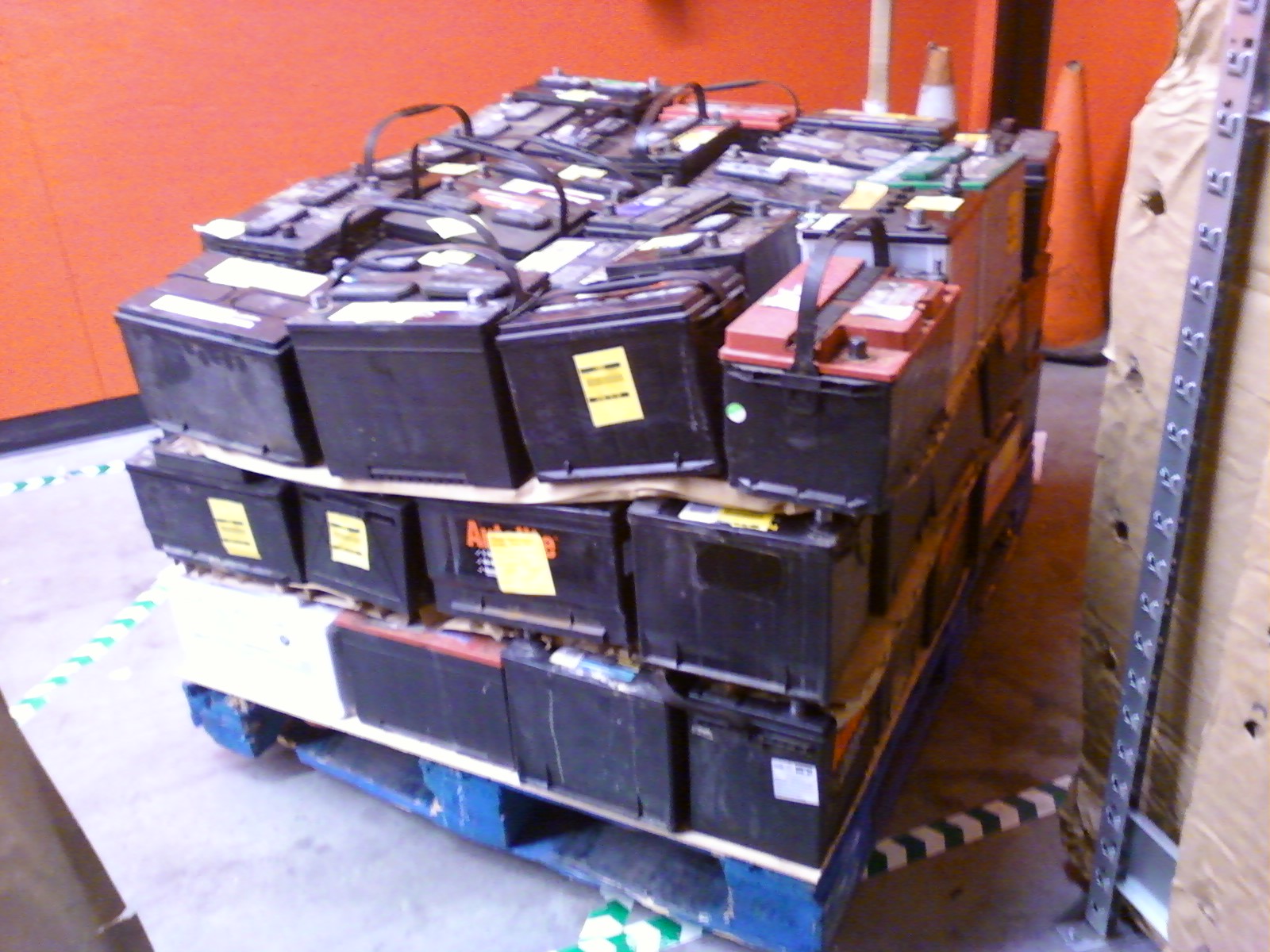
battery
noun
A container consisting of one or more cells, in which chemical energy is converted into electricity and used as a source of power.
Example: Within the bridge circuit the power is supplied by a 9V BATTERY.
fr: batterie
capacitor
noun
A passive electronic component that stores electrical energy in an electric field by accumulating charge on two closely spaced, insulated conductive plates.
Example: The photocell was connected to the CAPACITOR, and a multi meter puts across it to measure the voltage.
fr: condensateur
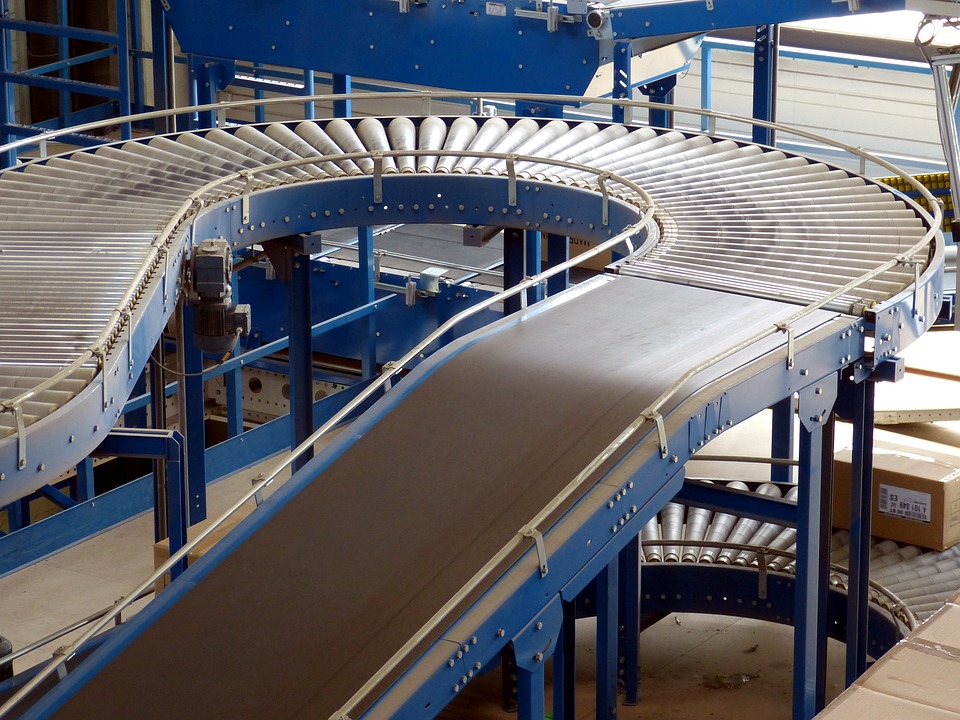
conveyor
noun
A person or thing that transports or communicates something.
Example: The simplest design has a metal mesh CONVEYOR that moves through a tunnel with steam jets located under the CONVEYOR.
fr: convoyeur
electrical circuit
compound noun
A closed, continuous loop or path of conductors—typically wires—that allows electricity (electrons) to flow from a power source (like a battery) through components (like a light bulb or motor) and back again.
Example: The electrodes are then joined externally forming a ELECTRICAL CIRCUIT and the electron flow, which is established, causes a potential difference.
fr: circuit électrique
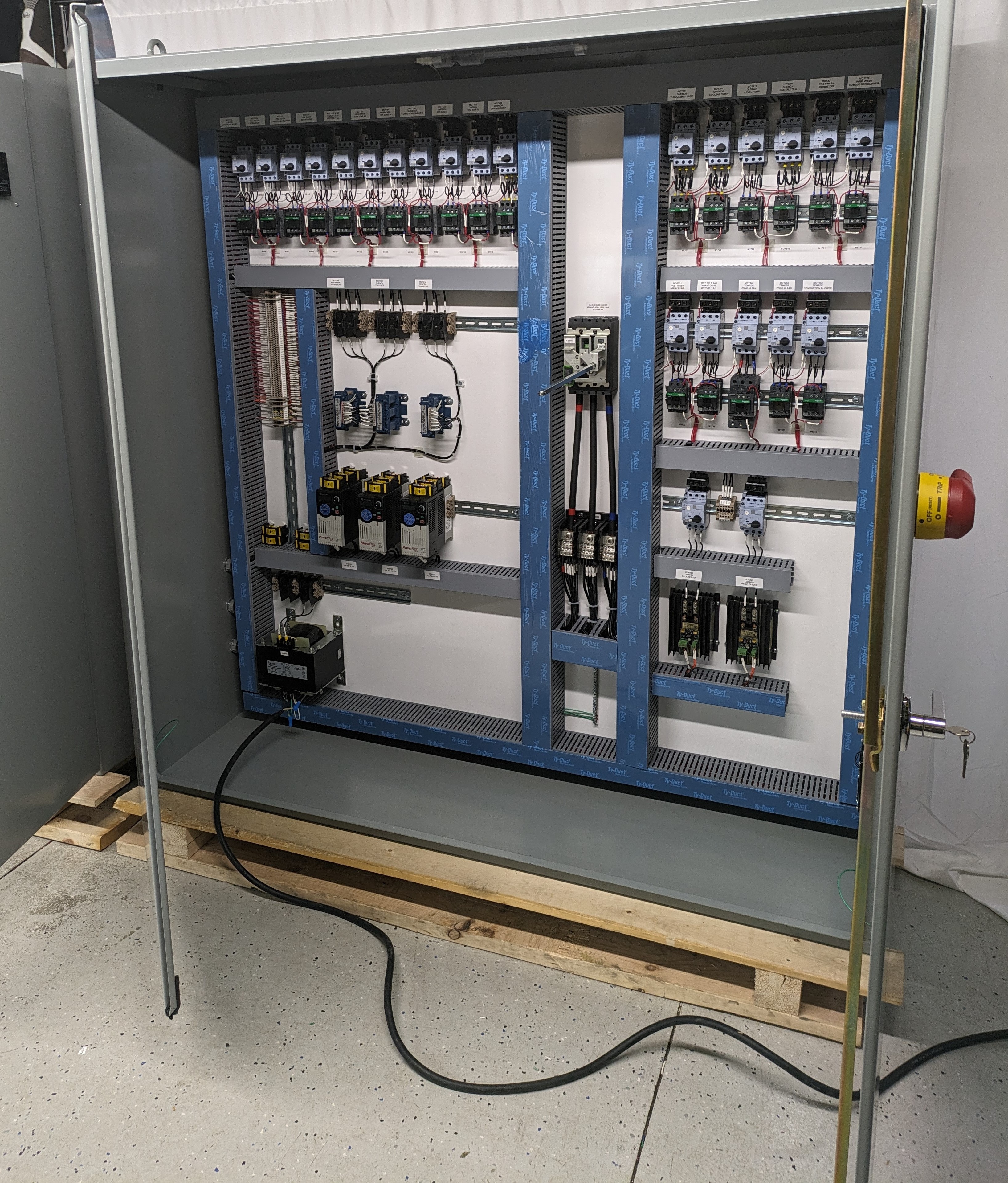
electrical panel
compound noun
Also known as a breaker box or service panel, it is the central hub that receives power from the utility and distributes it safely to different circuits (lights, outlets, appliances) throughout a building, protecting them with circuit breakers or fuses that automatically shut off power during an overload or short circuit to prevent fire and damage.
Example: The electrical panel is usually located in a basement, garage, or utility room and allows easy access for maintenance and upgrades.
fr: panneaux électriques
electrical plan
compound
A technical blueprint showing the precise layout of a building's electrical system, including wiring, outlets, switches, and lighting.
Example: Figure 5 shows a ELECTRICAL PLAN view of these buildings at Gurness in relation to the broch.
fr: plan électrique
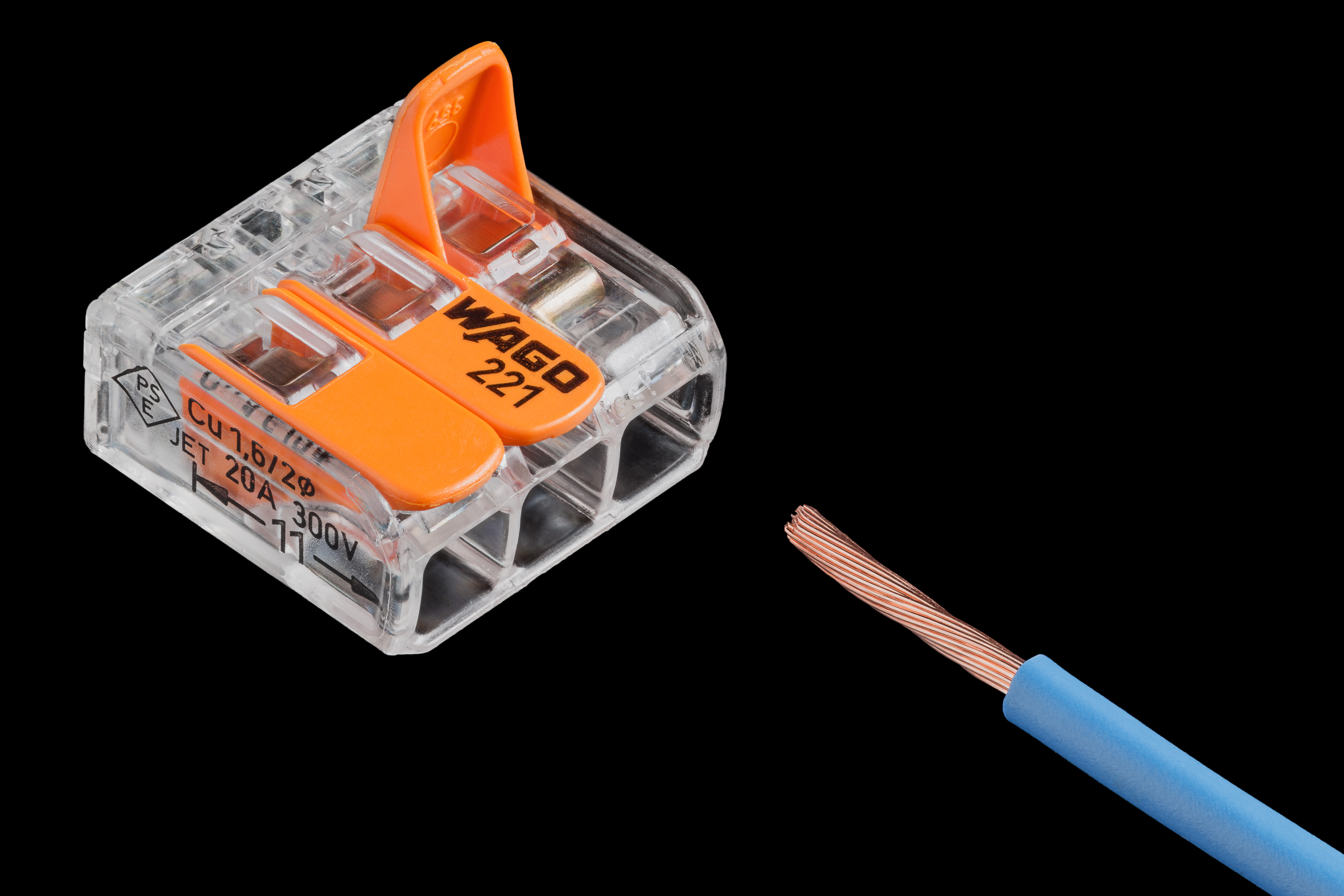
electrical wire
compound noun
A single, flexible conductor—usually copper or aluminum—designed to carry electric current or signals within a circuit.
Example: By connecting a ELECTRICAL WIRE to the base of the needle and measuring the resistance, the insertion force can be determined.
fr: fil électrique
electricity
noun
A form of energy resulting from the existence of charged particles (such as electrons or protons), either statically as an accumulation of charge or dynamically as a current.
Example: So, Green's application of potential theory to the theory of ELECTRICITY, a new and exciting topic, more easily captured people's attention.
fr: électricité
factory
noun
A building or group of buildings where goods are manufactured or assembled chiefly by machine.
Example: It was suggested that a 'wire drawing FACTORY' containing a number such systems operating in tandem have the potential to produce vast amounts of wire time efficiently.
fr: usine
hydroelectricity
noun
A renewable energy sources that generates electricity by using the kinetic energy of flowing or falling water to turn turbines connected to generators.
Example: In the region, this has taken the form of a conflict between the interests of downstream, largely agricultural states, and upstream states that require water for HYDROELECTRICITY.
fr: hydroélectricité
industrial sensors
compound noun
Robust devices that detect physical, chemical, or environmental parameters (such as pressure, temperature, position, or vibration) and convert them into electrical signals.
Example: Therefore, it is assumed that the INDUSTRIAL SENSORS will be read every 5 minutes and that the system should analyse the data and take suitable actions within 3 minutes.
fr: capteurs industriels
operator
noun
A person who operates equipment or a machine.
Example: The cellular process has more advantage than the old one, such as less work in process products, better human relations, improved OPERATOR expertise, and faster production setup.
fr: opérateur
programming
noun
The process or activity of writing computer programs.
Example: GA offers significant benefits over more typical search of optimization techniques, variation on the main structure of GA have been widely applied in diverse scientific and engineering topics such as optimization, automatic PROGRAMMING, machine learning, economics, immune systems, ecology, population genetics, social systems and so on.
fr: programmation
robot
noun
A machine, often programmable by a computer, designed to perform a series of complex actions automatically, using sensors to perceive its environment and actuators to move or manipulate things, replacing human effort for tasks requiring precision, repetition, or danger.
Example: The computer can then move the ROBOT - TU, then - TB, then - PB, which will put the ROBOT into the position to match the computer.
fr: robot
to manufacture
verb
Make (something) on a large scale using machinery.
Example: One of the firsts mass-produced, highly effective family of pesticides, organochlorines were an incredible chemical breakthrough - easy TO MANUFACTURE, highly efficient and cheap.
fr: fabriquer
to measure
verb
Ascertain the size, amount, or degree of (something) by using an instrument or device marked in standard units or by comparing it with an object of known size.
Example: The use of a computer and telecommunication technology allows the system TO MEASURE, evaluate and respond to change.
fr: mesurer
transformer
noun
A passive electrical device that transfers electrical energy between circuits through electromagnetic induction, usually changing voltage levels (stepping up or down) while keeping frequency constant.
Example: Here, a high voltage TRANSFORMER is connected to a filament, which will emit electrons when heated by the current and these will be attracted to a target by the high voltage across the filament tube.