Hello, my name's Marya Mechekour, an Algerian student who started her academic journey in Canada in 2022. Now, I am a 20-year-old Natural Science student specializing in health and life sciences. As I am in my final semester at college, I've started preparing some tools to help me along my university journey in nutrition and dietetics. The Nutrition Bachelor's program focuses on how diet and nutrition impact human health, leading to a career in research. A Dietetics bachelor leads to eligibility to join a regulatory body in one of the provinces in Canada and to be licensed to practice as a dietitian.
I want to share with you this glossary which is a stepping stone for every student who wants to specialize in dietetics or nutrition. The main topic is the basics of nutritional terminology, which includes key terms and fundamental concepts. It covers over 20 important terms with definitions, pronunciation, French translations, examples, and some images. I found those words by using a virtual writing tutor, and I'd like the student after could do a deeper research from books to create more helpful glossaries with all scientific terms.
Calorie
noun
A unit of energy, often used to express the nutritional value of foods, equivalent to the heat energy needed to raise the temperature of 1 kilogram of water by 1 °C, and equal to one thousand small calories; a kilo-calorie.
Example: The most significant factor affecting obesity is an individual's energy balance, which is determined by CALORIE intake and physical activity.
en: Calorie
Calorimeter
noun
An apparatus for measuring the amount of heat involved in a chemical reaction or other process.
Example: A CALORIMETER was used to collect cooling values of water and oil.
en: Calorimètre
Dietary
adjective
Relating to diets or dieting.
Example: As represented in my food diary, my main DIETARY consumption is based on Japanese food.
en: Diététique
Dietitian
noun
A person who is an expert in nutrition or dietetics.
Example: A qualified DIETITIAN will be necessary able to teach different subjects to a variety of individuals effectively.
en: Diététicien
Eicosanoids
noun
Eicosanoids are signaling molecules made by the enzymatic or non-enzymatic oxidation of arachidonic acid or other polyunsaturated fatty acids.
Example: Inflammatory illnesses such as rheumatoid arthritis, inflammatory bowel disease (IBD), and asthma are all caused by deregulated EICOSANOIDS signaling.
en: Eicosanoïdes
Forage
verb
Search widely for food or provisions
Example: It has been suggested that in order to FORAGE for food during periods of scarcity "weak ties facilitate the individual dispersal of animals from the group".
en: Fourrage
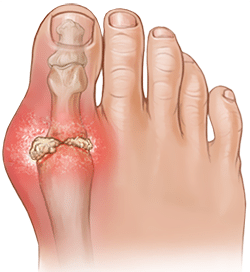
Gout
noun
Gout is a painful form of arthritis. Extra uric acid in your body creates sharp crystals that collect in your joints, causing pain, swelling and other symptoms.
Example: Although alcohol' energy won't put on weight, young man should not drink too much because alcohol overdose can cause liver disease, GOUT and other diseases.
en: Goutte
Intermittent Fasting
noun
Intermittent fasting is an eating pattern that cycles between periods of fasting and eating.
Example: Intermittent fasting, particularly the 16/8 approach, has been shown to improve metabolic health.
en: Jeûne intermittent
Ketogenesis
noun
the biochemical process through which organisms produce ketone bodies by breaking down fatty acids and ketogenic amino acids.
Example: Anorexia and fasting are hosted adaptations to acute infection, and induce a metabolic switch towards KETOGENESIS and the production of ketone bodies, including β-hydroxybutyrate.
en: Cétogenèse
Ketosis
noun
A metabolic state characterized by raised levels of ketone bodies in the body tissues, which is typically pathological in conditions such as diabetes, or may be the consequence of a diet that is very low in carbohydrates.
Example: KETOSIS can be caused by an imbalance of nutrients in the diet, but also if other diseases have occurred which lead to a reduction in appetite and therefore feed intake
en: Cétose
Macro-nutrients
noun
Macro-nutrients are the nutrients we need in larger quantities that provide us with energy: in other words, fat, protein and carbohydrate
Example: Of the three most commonly-studied plant macro-nutrients, maintaining adequate levels of potassium represents the greatest challenge for organic growers.
en: Macronutriments
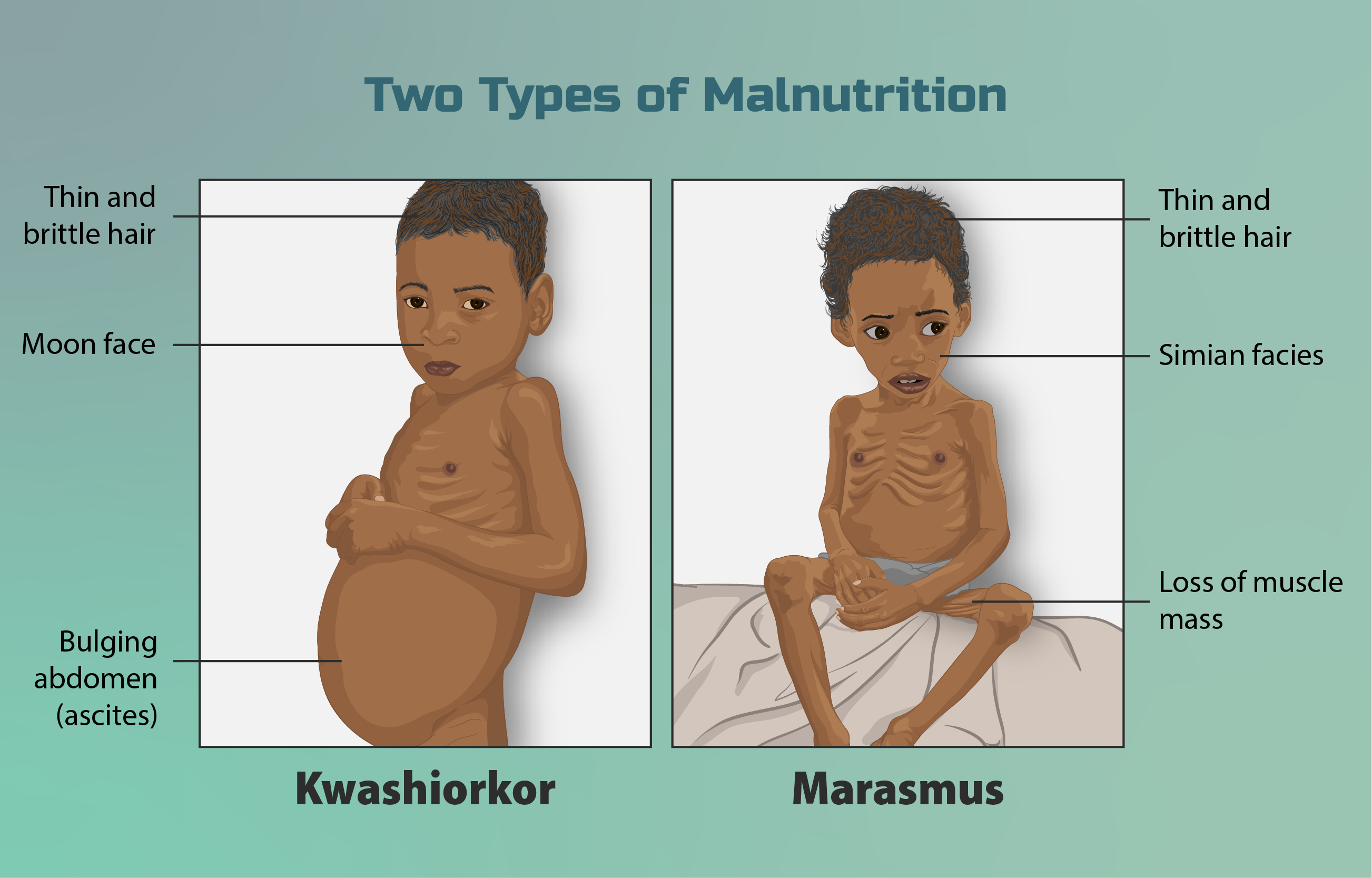
Malnutrition
noun
Lack of proper nutrition, caused by not having enough to eat, not eating enough of the right things, or being unable to use the food that one does eat.
Example: Adding micro-nutrients can only ever be seen as a temporary solution because it does not genuinely treat the causes of MALNUTRITION.
en: Malnutrition
Metabolism
noun
The chemical processes that occur within a living organism in order to maintain life.
Example: METABOLISM is an important factor in losing weight. If the basal metabolism increases, more energy is used up, leading to greater energy expenditure than energy intake, ultimately resulting weight loss.
en: Métabolisme
Micro-nutrients
noun
A chemical element or substance required in trace amounts for the normal growth and development of living organisms.
Example: Fortifying foods with micro-nutrients may appear to be the ideal solution to ensuring the intake of vital micro-nutrients and maintaining good health.
en: Micro-nutriments
Microbiota
noun
The microorganisms of a particular site, habitat, or geological period.
Example: Depending on the localized regions, MICROBIOTA can be classified into gut, oral, respiratory, and skin microbiota.
en: Microbiote
Nutrient
noun
Substance that provides nourishment essential for growth and the maintenance of life.
Example: It is only until these structures have been broken down, that the NUTRIENT composition within the plant cell can be digested and absorbed.
en: Nutriment
Nutrigenomics
noun
Studies about how genes and diet together may affect a person's health and risk of developing diseases.
Example: An example of NUTRIGENETICS is lactose intolerance, in which a person cannot digest lactose that is the natural sugar in milk
en: Nutrigénomique
Nutrition
noun
The process of providing or obtaining the food necessary for health and growth.
Example: Also, the mothers are reluctant to reduce the amount of milk in the child's diet because they know that this is the only form of NUTRITION that the child accepts.
en: Nutrition
Obesity
noun
the state or condition of being very fat or overweight.
Example: The increase in fat reservation will raise the risk in the incidence of OBESITY, diabetics and coronary heart disease
en: Obésité
Phytochemicals
noun
Any of various biologically active compounds found in plants.
Example: Although phytochemicals in plants we consume as food are not nutrients, they exhibit diversified physiologic and pharmacologic effects.
en: Produits phytochimiques
Prebiotics
noun
A nondigestible food ingredient that promotes the growth of beneficial microorganisms in the intestines.
Example: PREBIOTICS exist in many foods such as whole grains, bananas, greens, onions, garlic, soybeans, and artichokes.
en: Prébiotiques
Probiotics
noun
Live bacteria and yeasts that are good for health, especially your digestive system.
Example: Acidification controls the growth of unwanted bacteria including some pathogenic ones and some starter bacteria also produce probiotics thus inhibiting the growth of non-starter microorganisms.