Hello dear fellow, my name is Leynie, as you may have guessed from my blog's title. I am in college and currently attending to Ahuntsic College in computer and sciences, well more precisely cybersecurity. I have not yet get into the program actually, but rest assured I am now in springboard DEC to pursue my program near August 2024. Since I have not been in these classes yet, I don't really know what can you learn, but I have a general idea. Based on the description of the program, cybersecurity allows you to enter the world of security and maintaining documents or/and people online. It also said that when you take computer and sciences as a course, it will not only restrain you from only doing cybersecurity, In fact, you can do plenty of things like developer or even programmer. Personally, I would love to go for programming because since I was young, I loved to enter into the computers inner system to check to vital signals, as if I was some kind of machine doctor! I don't think internships are necessary for this field of study because the competition is isn't high enough. Not gonna lie, everyone kinda needs people like us in the workplace because we sort of contribute to a better understanding of the technologies that is little by little taking a big place into our daily lives. To sum up, this blog will mostly be about what troubles I may encounter while studying into my field of study. You guys are there to give me your opinion, whether it be that you might encounter similar problems as me, are passionate in the subjects or even be some high position executive looking for a potential employee, I shall grant you welcome.
Computer sciences is full of unknown terms that you perhaps want to know the meaning of. Let's be honest, we are not human dictionaries. So, that is why we need a data base to stock our vocabulary so that we can't forget it. Here, with this 20 words vocabulary list. It even has pictures so that you can really visualize.
adware
noun
Software that automatically displays or downloads advertising material (often unwanted) when a user is online.
Example: Many free programs are simply delivery vehicles for adware, spyware or computer viruses. After playing, run a spyware, adware, and virus scan to immediately eliminate any potentially harmful additions to your computer. Kid Rocket is a child-safe browser that is adware and spyware free.
en: logiciel publicitaire
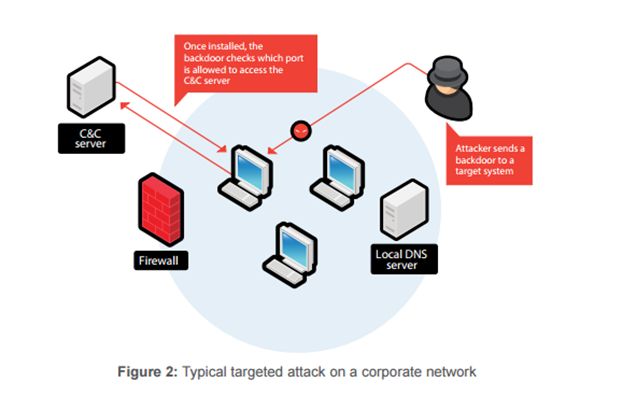
backdoor
noun
A backdoor is a means of bypassing an organization's existing security systems. While a company may have various security solutions in place, there may be mechanisms in place that allow a legitimate user or attacker to evade them.
Example: Hackers can use a backdoor to install all manner of malware on your computer.
en: porte dérobée
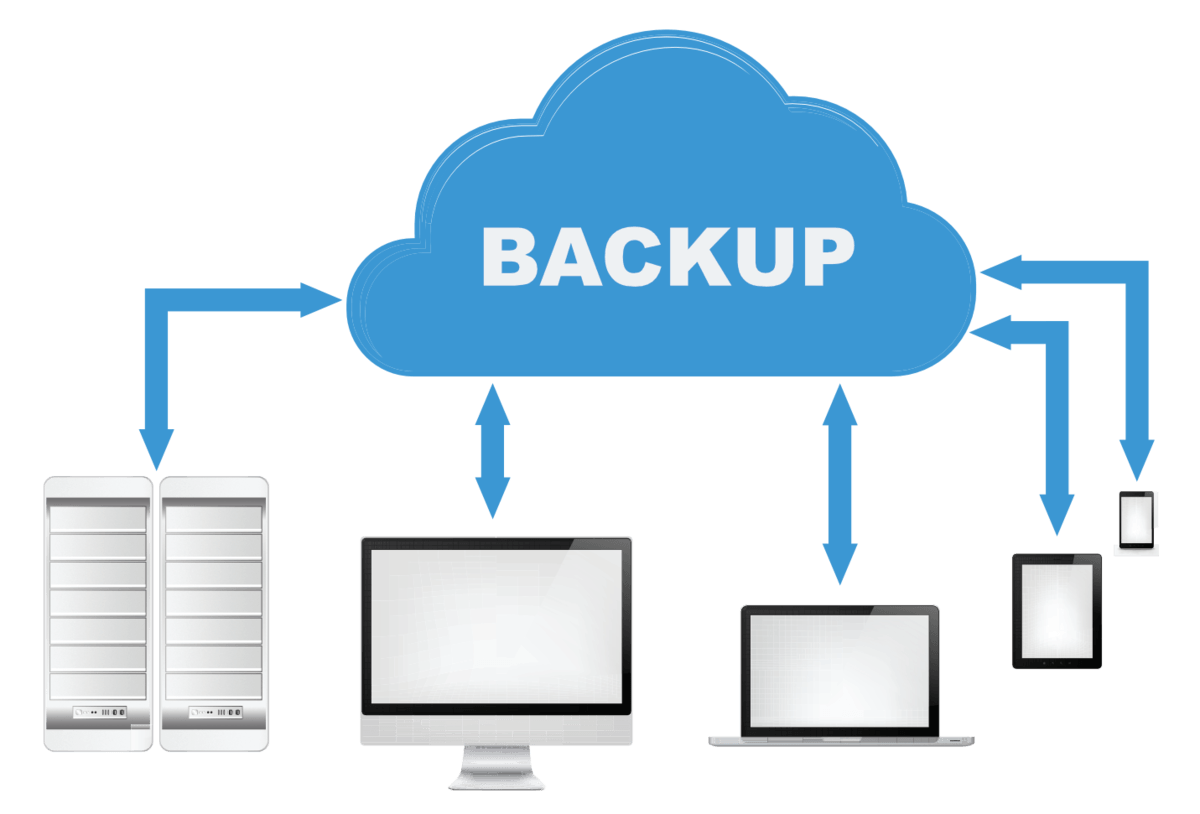
backup
noun
An extra copy of data from a computer.
Example: Also if the server was to breakdown there should be a BACKUP server to take its place while the main server was being repaired.
en: sauvegarde
blockchain
noun
A system in which a record of transactions, especially those made in a cryptocurrency, is maintained across computers that are linked in a peer-to-peer network.
Example: Under the scheme, farmers would add information about their produce to a blockchain database that could quickly pinpoint contamination. a database created and populated using this structure: Once the transaction gets verified, it's recorded in the blockchain.
en: chaîne de blocs
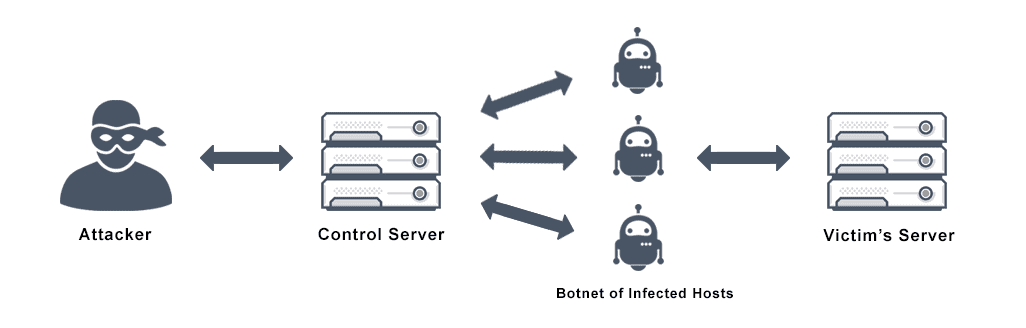
botnet
noun
A network of private computers infected with malicious software and controlled as a group without the owners' knowledge, e.g., to send spam messages.
Example: The cybercriminals utilized a massive botnet to launch coordinated distributed denial-of-service (DDoS) attacks, flooding targeted websites with overwhelming traffic and causing widespread disruption across the internet.
en: réseau de zombies.
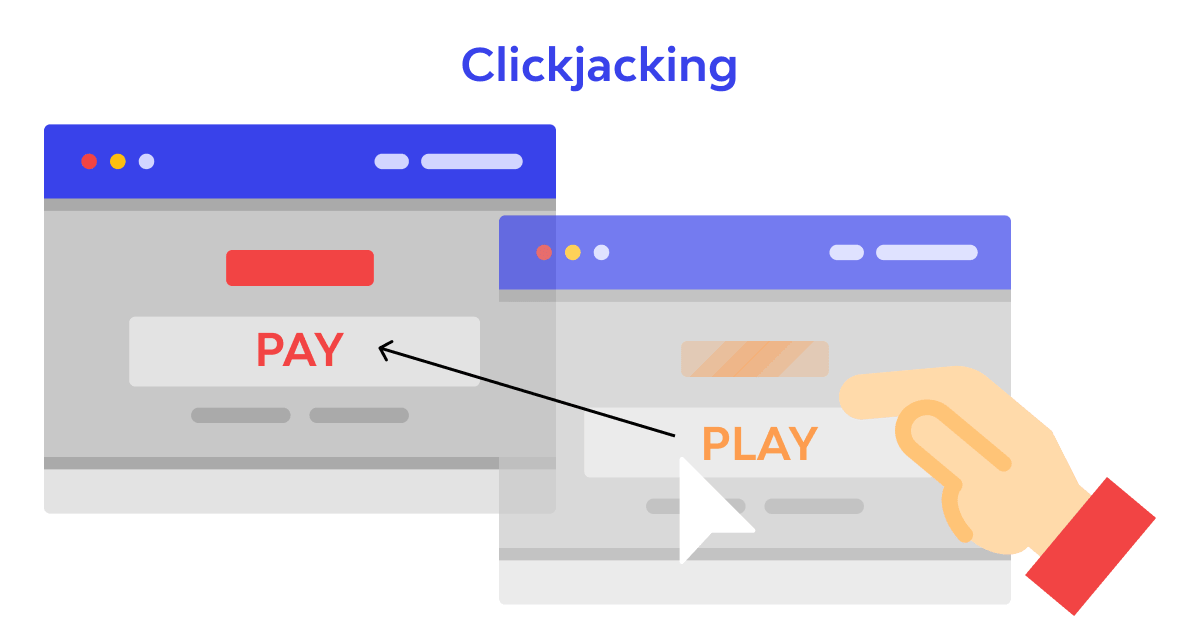
clickjacking
noun
The malicious practice of manipulating a website user's activity by concealing hyperlinks beneath legitimate clickable content, thereby causing the user to perform actions of which they are unaware.
Example: The unsuspecting users fell victim to clickjacking as malicious code disguised legitimate buttons, leading them to inadvertently click on hidden links and unknowingly perform actions they never intended.
en: détournement aux clics
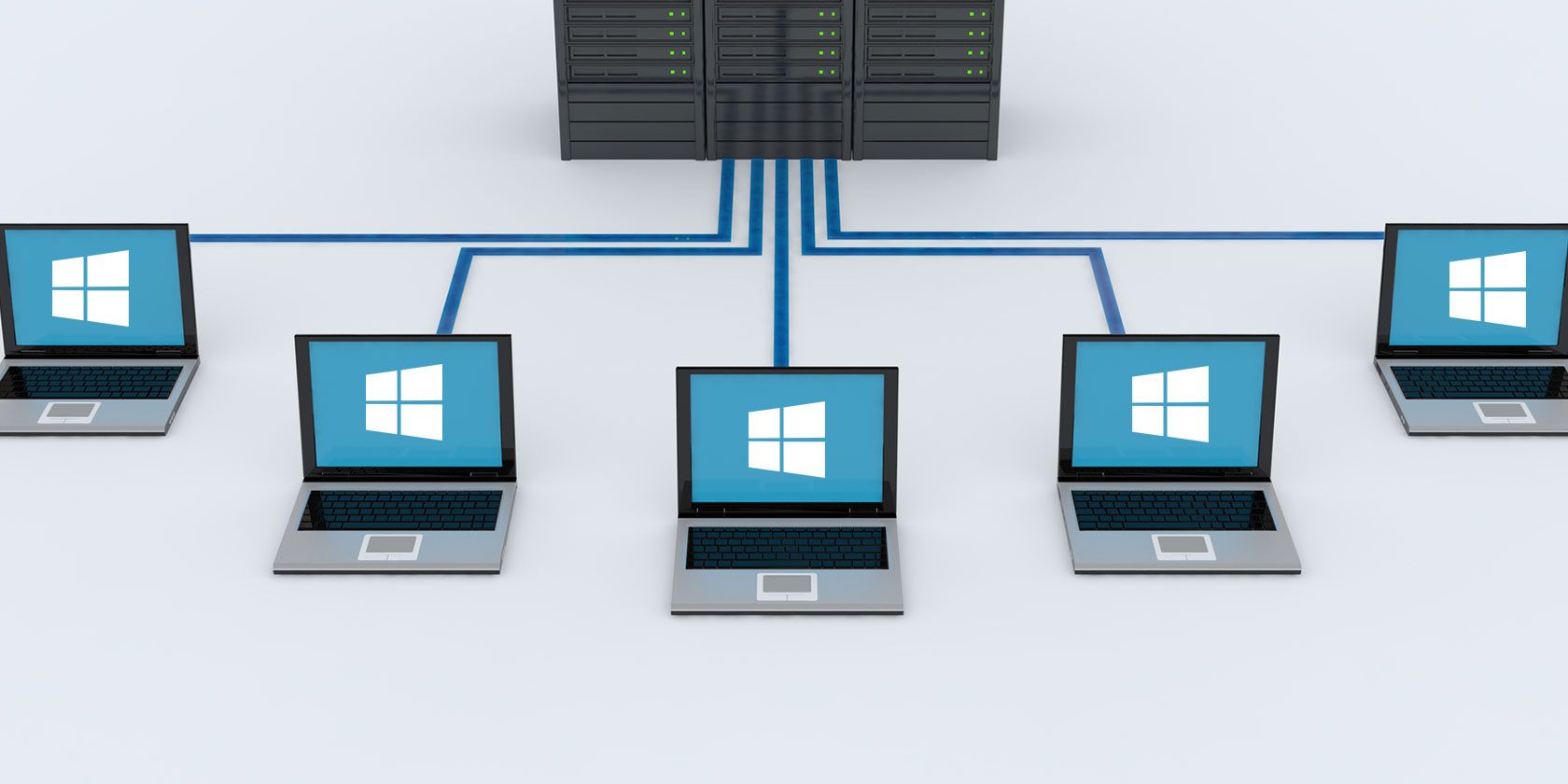
cloud
noun
Networked computing facilities providing remote data storage and processing services via the internet.
Example: Employees have a lot to offer in terms of tacit knowledge and experience, but a natural resistance to change should not CLOUD the true potential of this project.
en: Nuage
data
noun
The quantities, characters, or symbols on which operations are performed by a computer, being stored and transmitted in the form of electrical signals and recorded on magnetic, optical, or mechanical recording media.
Example: The DATA analysis software SPSS was then used to analyse this DATA.
en: données
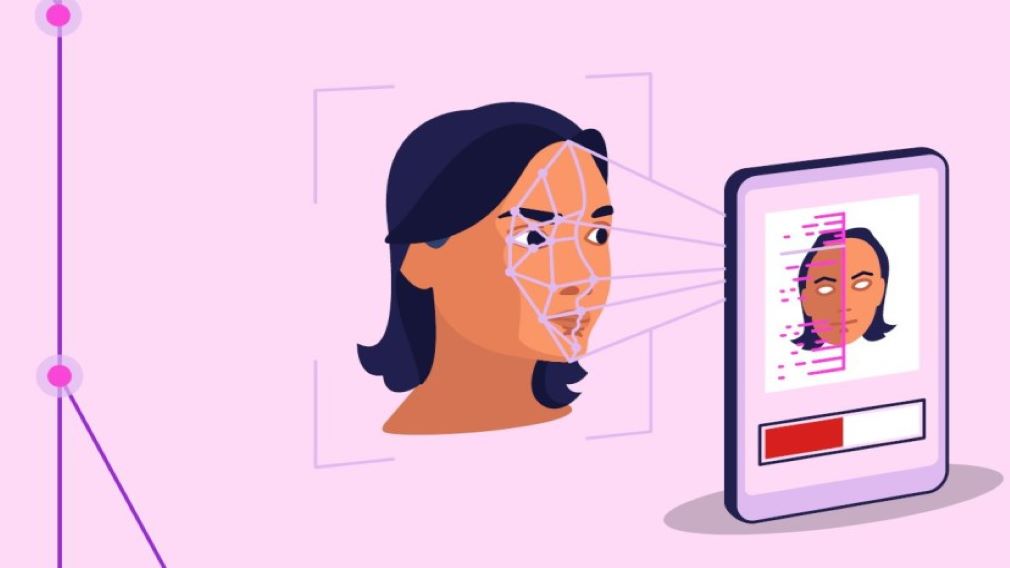
deepfake
noun
A deepfake is an image, or a video or audio recording, that has been edited using an algorithm to replace the person in the original with someone else (especially a public figure) in a way that makes it look authentic. The fake in deepfake is transparent: deepfakes are not real.
Example: A deepfake of a world leader pressing the big red button should not cause armageddon. Soon we will have to rely on digital forensics to detect deepfakes. Deepfakes are not always malicious. Nowadays anyone can download deepfake software and create convincing fake videos in their spare time.
en: faux profond
distributed denial of services
noun
The intentional paralyzing of a computer network by flooding it with data sent simultaneously from many individual computers.
Example: The online services were rendered inaccessible for hours due to a distributed denial-of-service attack, overwhelming the servers with a flood of malicious traffic and disrupting normal operations.
en: déni de service distribué
domain
noun
A distinct subset of the internet with addresses sharing a common suffix or under the control of a particular organization or individual.
Example: The company registered a new domain to launch its online store, aiming to establish a strong digital presence and attract a wider audience of customers.
en: domaine
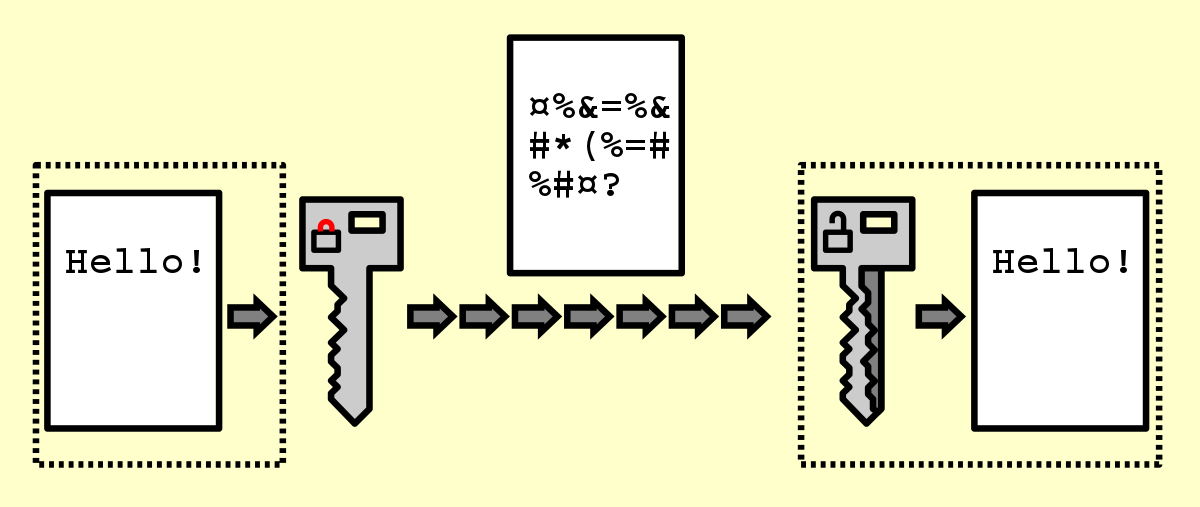
encryption
noun
The process of converting information or data into a code, especially to prevent unauthorized access.
Example: If the Access Point does not enable WEP, the wireless clients can not use the WEP ENCRYPTION. In some base stations, it is optional whether the ENCRYPTION is enforced.
en: chiffrement
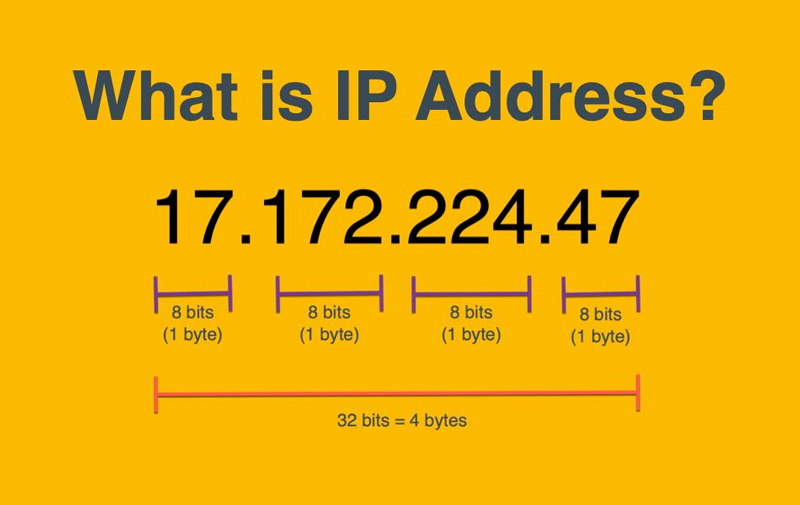
ip adress
noun
A unique string of characters that identifies each computer using the Internet Protocol to communicate over a network.
Example: The IT team traced the suspicious activity back to a specific IP address, revealing the source of the security breach in the network logs.
en: adresse ip
phishing
noun
The fraudulent practice of sending emails or other messages purporting to be from reputable companies in order to induce individuals to reveal personal information, such as passwords and credit card numbers.
Example: URL Redirection Tricks: uses the redirection capability of a known provider to send the user to the PHISHING site.
en: hameçonnage
ransomware
noun
A type of malicious software designed to block access to a computer system until a sum of money is paid.
Example: The company's entire network was crippled by a sophisticated ransomware attack, leaving critical data encrypted and inaccessible until a hefty ransom was paid.
en: rançongiciel
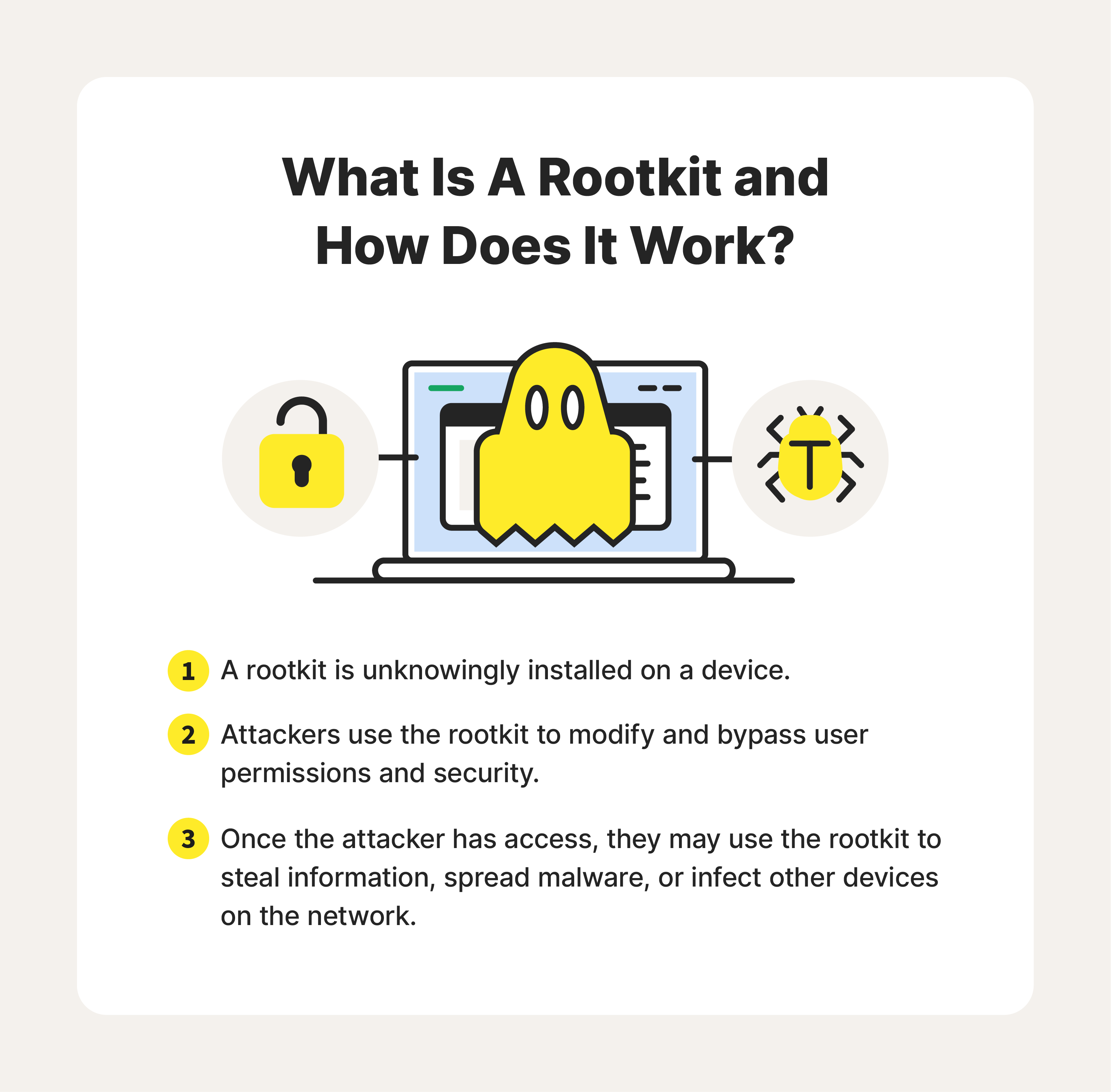
rootkit
noun
A set of software tools that enable an unauthorized user to gain control of a computer system without being detected.
Example: The coming of the ROOTKIT made more easy for the hackers to achieve their goals as it is a collection of tools and utilities that a hacker can use to hide their presence on your system and gather data to help them infiltrate further across the network.
en: outil de dissimulation d'activité
software
noun
The programs and other operating information used by a computer.
Example: Descriptive results were derived and analysed using the Microsoft Excel XP SOFTWARE.
en: logiciel
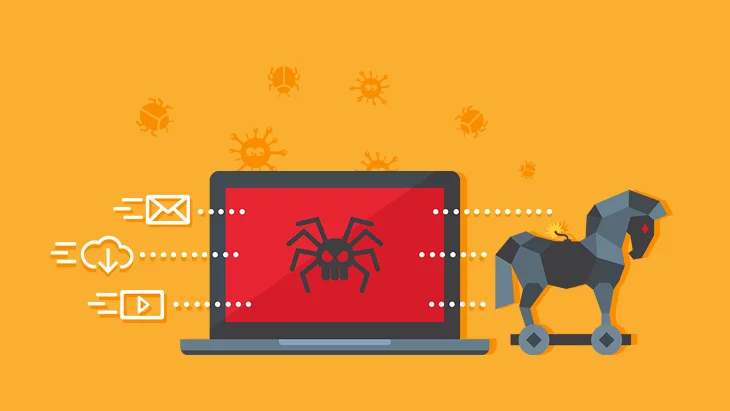
trojan horse
noun
A program designed to breach the security of a computer system while ostensibly performing some innocuous function.
Example: Every application wanting to get access to the Internet must first get permission, which is also the case for Trojan horses. Any TROJAN HORSE asking for permission is therefore detected and can be deleted with appropriate software.
en: cheval de troie
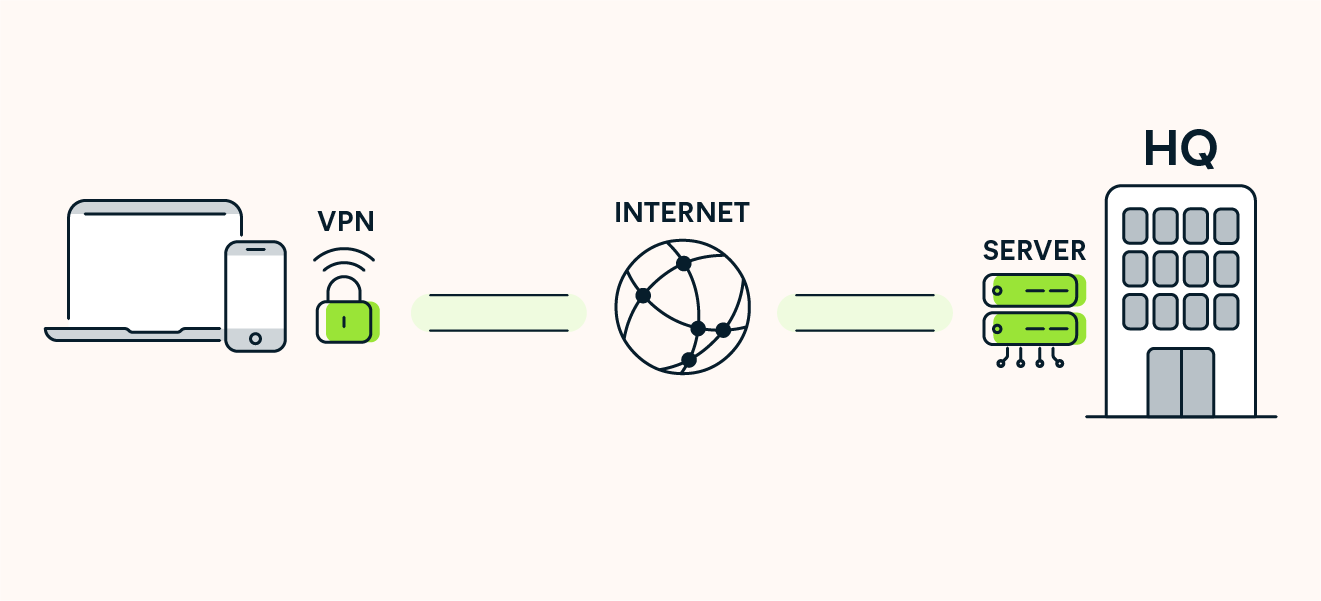
vpn
noun
An arrangement whereby a secure, apparently private network is achieved using encryption over a public network, typically the internet.
Example: This feature is used to implement Virtual Private Networks - VPN. VPN is a way to securely connect two networks over the Internet which is insecure media.
en: vpn
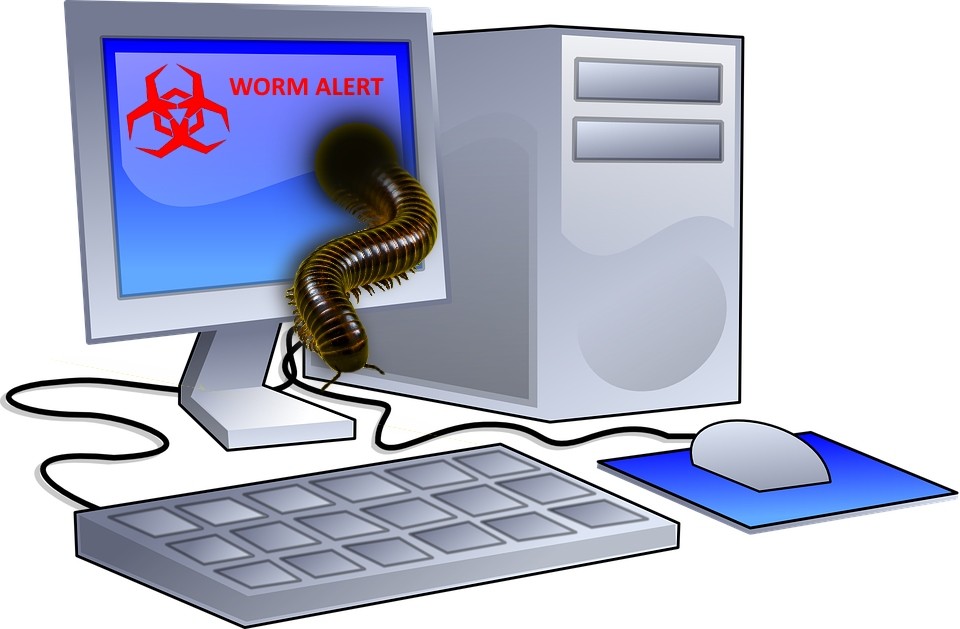
worm
noun
A self-replicating program able to propagate itself across a network, typically having a detrimental effect.
Example: There are many other cases which show the act of cyber terrorism One of the case which drew many people attention was when Robert Morris Jr, graduate of University of Harvard released a WORM on ARPANET. The WORM was transmitted from machine to machine exploiting bugs in the mail systems.

:max_bytes(150000):strip_icc()/Blockchain_final-086b5b7b9ef74ecf9f20fe627dba1e34.png)