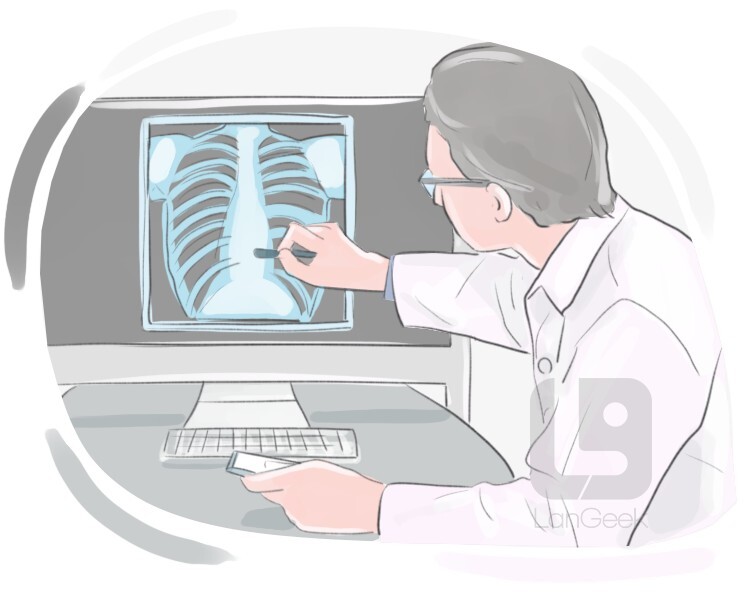
My name is Christy Jimenez, and I have been studying Diagnostic Imaging for four years. Currently, I am completing my internship at a hospital. The glossary I have created is intended for students in the radiology field, patients, x-ray technologists, and anyone interested in my program. The purpose of this glossary is to explain important concepts in a clear and concise manner. It consists of 20 commonly used words in patient interactions, with the goal of providing a simple explanation for better understanding.
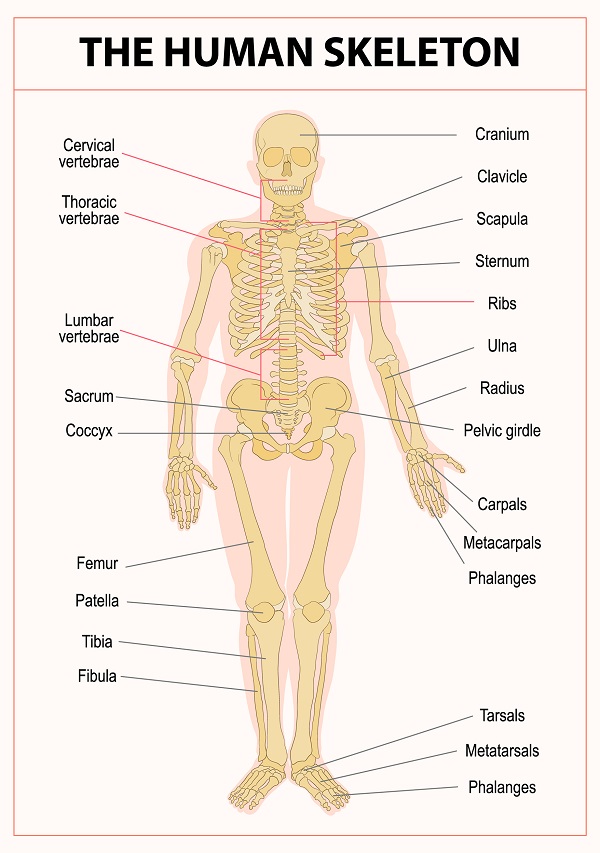
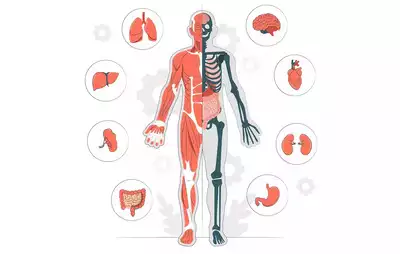
anatomy
noun
The branch of biology concerned with the study of the structure of organisms and their parts.
Example: He had worked extensively on the anatomy of living animals.
fr: anatomie
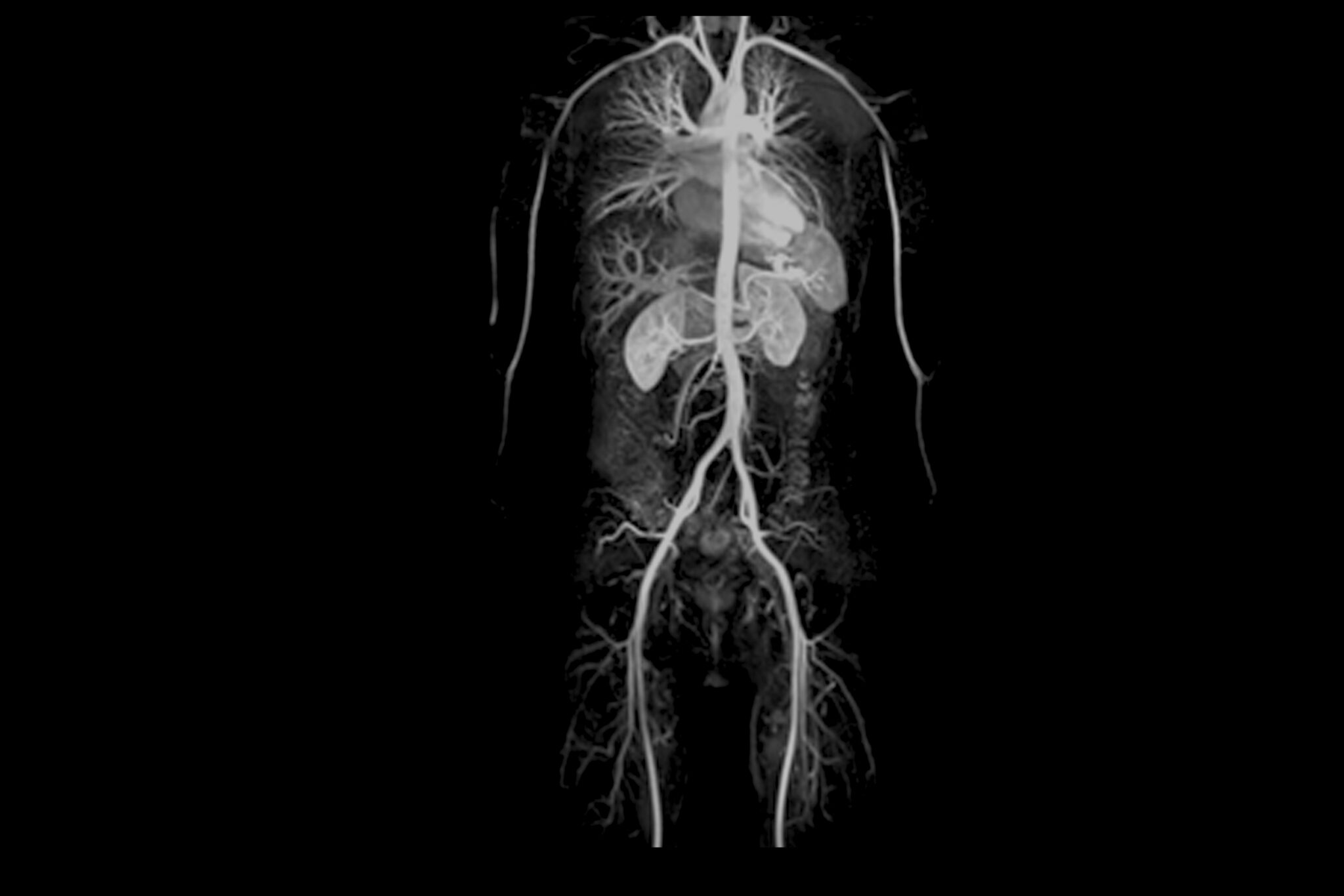
angiography
noun
Examination by X-ray of blood or lymph vessels, carried out after introduction of a radiopaque substance.
Example: A renal angiography helps to diagnose narrowed blood vessels to the kidney.
fr: angiographie
biohazard
noun
A risk to human health or the environment arising from biological work, especially with microorganisms.
Example: Place contaminated dressings, gauze, cotton materials, tubing, and contaminated cleanup items in biohazard waste disposal bags.
fr: danger biologique
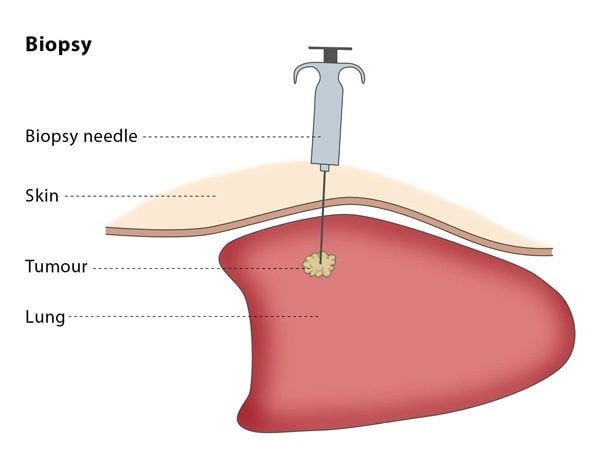
biopsy
noun
An examination of tissue removed from a living body to discover the presence, cause, or extent of a disease.
Example: In a few cases, the doctor may take a skin biopsy in order to rule out certain infectious skin diseases.
fr: biopsie
catheter
noun
A tubular medical device for insertion into canals, vessels, passageways, or body cavities usually to permit injection or withdrawal of fluids or to keep a passage open.
Example: To monitor her heart and blood vessels, sometimes doctors will surgically insert a cardiac catheter into her chest.
fr: cathéter
collimator
noun
An arrangement of absorbers for limiting a beam of X-rays, gamma rays, or nuclear particles to the dimensions and angular spread required for the specific application
Example: One of the best tools to reduce patient radiation dose, is through the use of a light beam collimator.
fr: collimateur
colonoscopy
noun
An examination of the inside of your large intestine. It’s helpful for diagnosing gastrointestinal diseases, such as inflammatory bowel disease and colon cancer.
Example: The bowel must be empty to have a colonoscopy.
fr: Colonoscopie
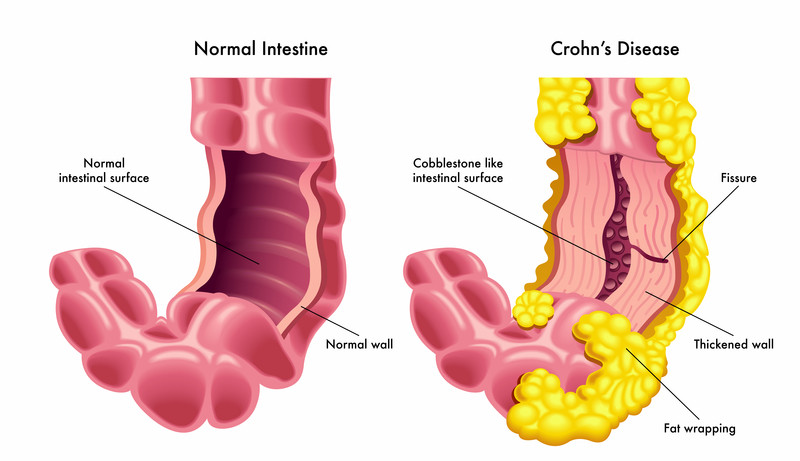
disease
noun
A particular abnormal condition that adversely affects the structure or function of all or part of an organism and is not immediately due to any external injury.
Example: He suffers from a rare genetic disease.
fr: maladie
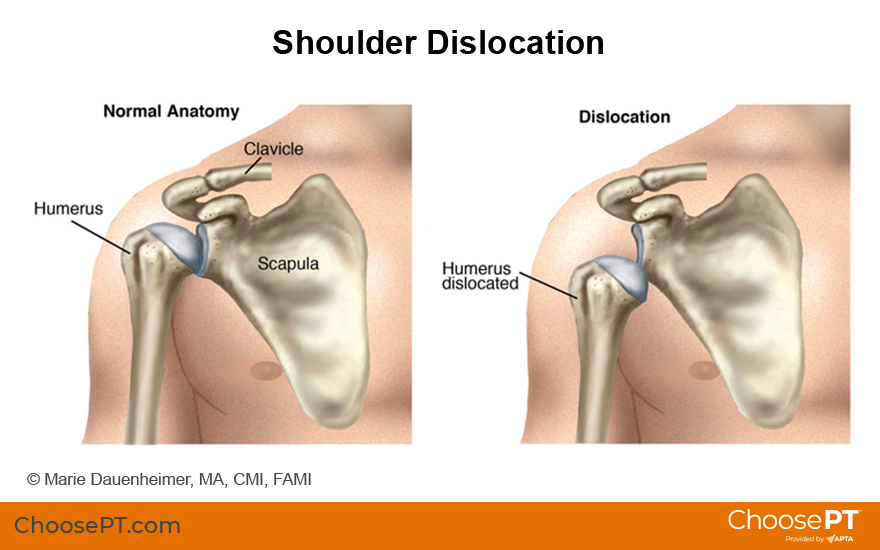
dislocation
noun
An injury in which the ends of two connected bones separate.
Example: Shoulder dislocations are the most common joint dislocations.
fr: luxation
dosimeter
noun
A device used to measure an absorbed dose of ionizing radiation.
Example: Dosimeter absorbency is read within a specified time period after exposure to radiation.
fr: dosimètre
emergency
A serious, unexpected, and often dangerous situation requiring immediate action.
A serious, unexpected, and often dangerous situation requiring immediate action.
Example: A broken arm is not emergency priority.
fr: urgence
fluoroscopy
noun
It's a type of imaging procedure that uses several pulses of an X-ray beam to take real-time footage of tissues inside your body.
Example: The doctor used fluoroscopy to guide the catheter into the patient's heart.
fr: fluoroscopie
fracture
noun
It's a broken bone, the same as a crack or a break.
Example: It is only a small fracture, but she's going to have to stay off it for six weeks.
fr: fracture
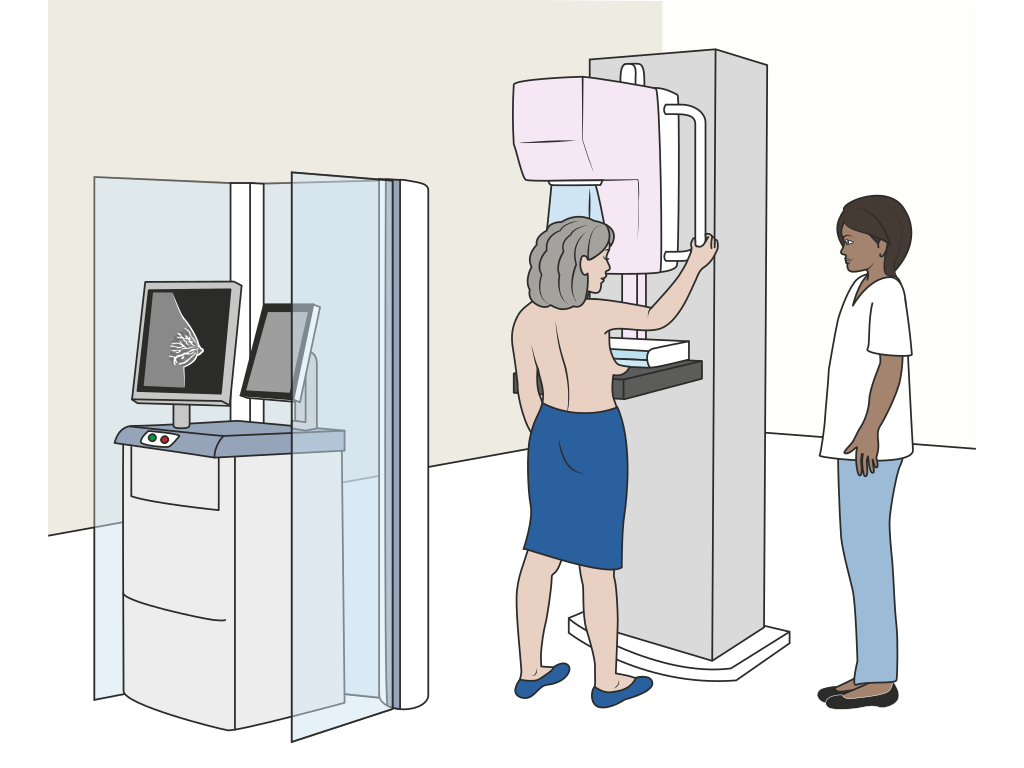
mammography
noun
A technique using X-rays to diagnose and locate tumors of the breasts.
Example: Mammography can help reduce deaths from breast cancer among women ages 40 to 74 years at average risk of breast cancer.
fr: mammographie
patient
noun
A person receiving or registered to receive medical treatment.
Example: The patient came to take his x-rays.
fr: patient
physiology
noun
The branch of biology that deals with the normal functions of living organisms and their parts.
Example: Their digestive systems lack the necessary physiology to digest vegetation.
fr: physiologie
radiography
noun
A procedure that uses a type of high-energy radiation called x-rays to take pictures of areas inside the body.
Example: The wound was infected, and radiography was indicated for diagnosis.
fr: radiographie
radiologist
noun
A person who uses X-rays or other high-energy radiation, especially a doctor specializing in radiology.
Example: For non-urgent outpatient MRI scans, the radiologist interprets the images and sends a report to the referring physician within a few days.
fr: radiologiste
sterile
adjective
Free from living organisms and especially pathogenic microorganisms.
Example: It's important to check the expiration date on sterile instrument.
fr: stérile
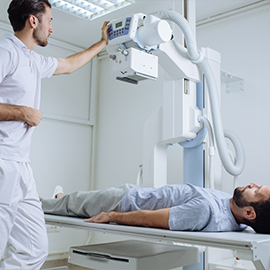
x-ray
noun
The use of invisible electromagnetic energy beams to produce images of internal tissues, bones, and organs on film or digital media.
Example: She had an X-ray to see if any of her ribs were broken.