In this glossary we will have the main words and concepts of the module
closed system
noun
A closed system is a physical system that does not interact with other physical agents located outside of it and therefore is not casually connected or related to anything external to it.
Example: a pressure cooker is an example of a closed system
es: Sistema cerrado
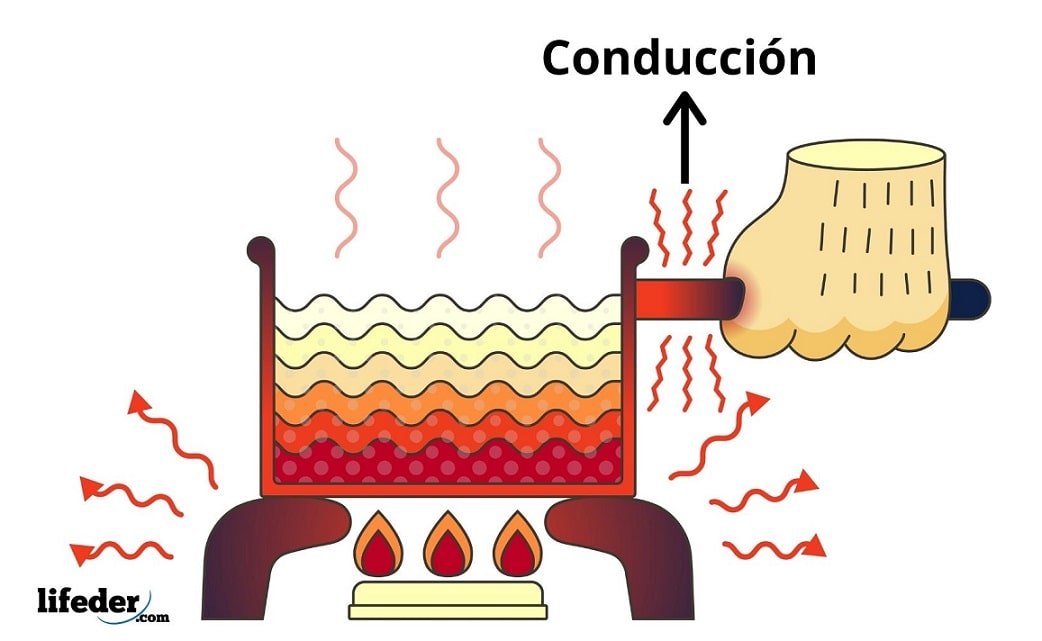
Conduction
Conduction
transmission through or by means of a conductor
Example: the transfer of heat through matter by communication of kinetic energy from particle to particle with no net displacement of the particles
es: Conducción
consist of
noun
Be composed or formed by one thing. To be based, to be founded one thing on another.
Example: the celebration consists of a dinner and a show.
es: consiste en
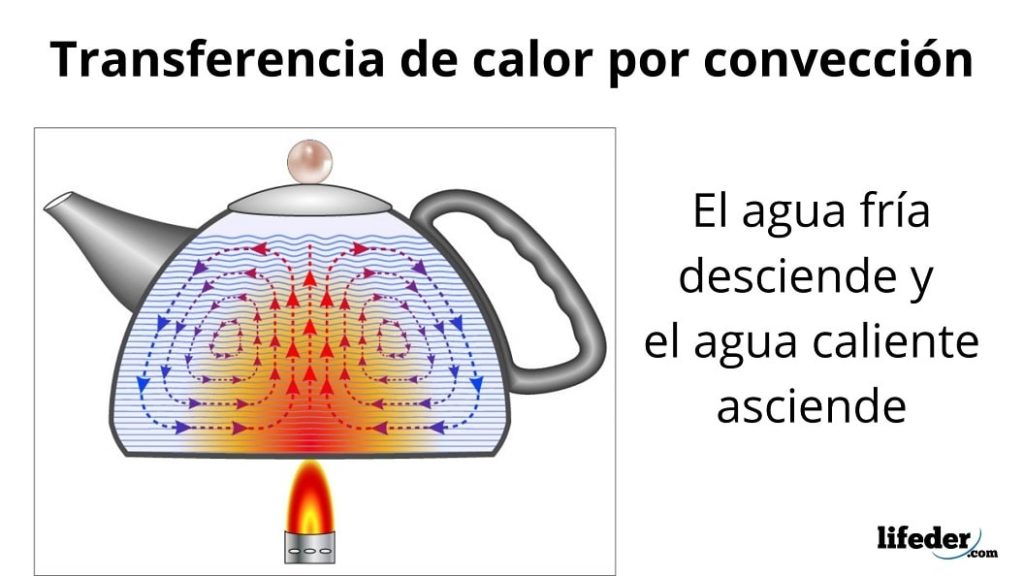
Convection
noun
Convection itself is the transport of heat through fluid movement. For example, when water is heated in a saucepan, the water that comes into contact with the bottom of the saucepan rises as it is heated, while the surface water runs down the sides as it cools, taking up the place left by the hot portion.
Example: By increasing the temperature of the fluid, we can create convection currents because, as the temperature increases, the fluid expands, loses density and, as a consequence, the molecules rise.
es: convección
Deal with
adverb
Having [someone or something] a certain thing as a function or role
Example: whereas the science of heat transfer deals with the rate of heat transfer, which is the main
quantity of interest in the design and evaluation of heat transfer
equipment.
es: encargarse de
Fixed mass
adverb
it consists of a fixed amount of mass and no other mass can cross its boundary. That is, no mass can enter or leave a closed system
Example: Where the final solvent volume is not measured directly, a fixed mass of internal standard should be added to enable measurment of the volume, particularly for volumes less than 1 ml.
es: masa fija
Heat Transfer
noun
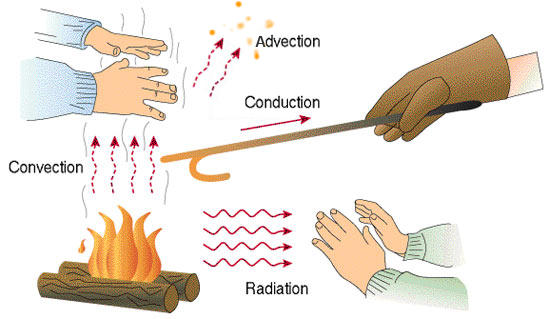
Heat transfer is a discipline of thermal engineering that concerns the generation, use, conversion, and exchange of thermal energy (heat) between physical systems. Heat transfer is classified into various mechanisms, such as thermal conduction, thermal convection, thermal radiation, and transfer of energy by phase changes.
Example: conduction, convection and radiation are the three methods of heat transfer
es: Transferencia de calor
inner surface
noun
internal part of a body that separates it from its environment
Example: The inner surface of the wall is less hot
es: superficie interna
internal energy
noun
In thermodynamics, the internal energy of the system is the total energy that a thermodynamic system contains.
Example: the increase in internal energy equals the total heat added plus the work done by the environment
es: energía interna
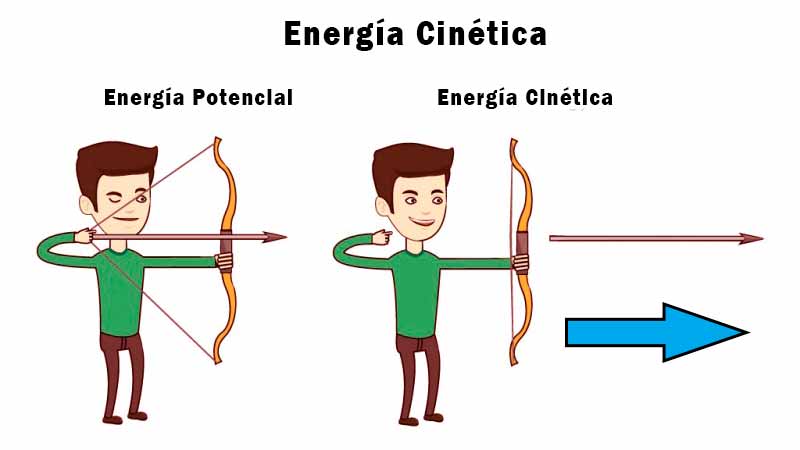
Kinetic energy
noun
energy which a body possesses by virtue of being in motion
Example: energy above that needed to ionize the molecule is carried away as kinetic energy of the electron ejected
es: energía cinética
Mass transfer
noun
Mass transfer occurs when a substance is transferred through another or others on a molecular scale. This occurs when two substances with different chemical compositions come into contact.
Example: Mass transfer occurs in many processes, such as absorption, evaporation, drying, precipitation, membrane filtration, and distillation.
es: transferencia de masa
Open system
noun
a material system in which mass or energy can be lost to or gained from the environment
Example: a cup of coffee is an open system
es: Sistema abierto
outer surface
noun
he outside part or uppermost layer of something. facade. surface. exterior.
Example: We are going to paint the outer surface of the room white
es: Superficie exterior
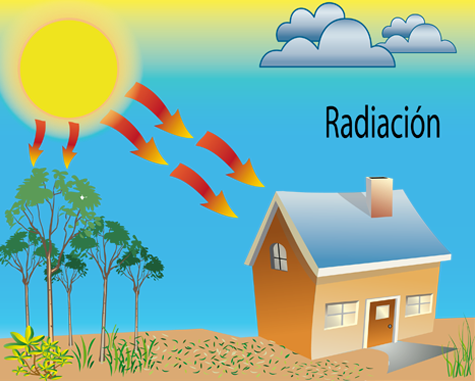
Radiation
noun
Emission of energy or particles that some bodies produce and that propagate through space.
Example: A worker who may be exposed to radiation cannot receive more than 5 rem in a year
es: Radiación
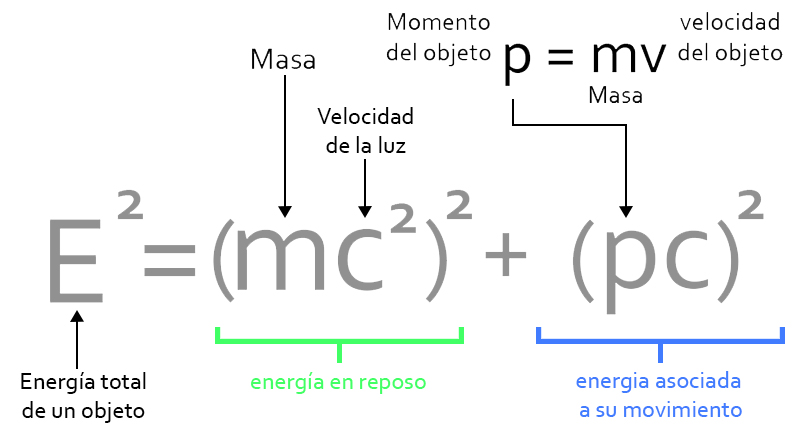
Total energy
adverb
The total energy of a system is the sum of kinetic and gravitational potential energy,
Example: total energy is greater than kinetic energy
es: Energía total
undergo
verb
In the physicochemical and natural sciences, carry out operations aimed at discovering, checking or demonstrating certain scientific phenomena or principles.
Example: we are going to start experimenting with the rooms