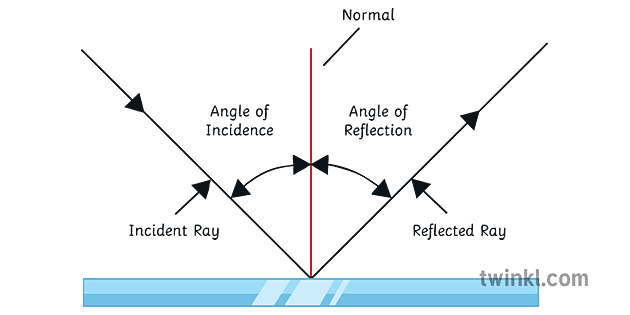
the angle which an incident line or ray makes with a perpendicular to the surface at the point of incidence.
Example: A study has been made of the flow past thin, inflated lenticular aerofoils at zero angle of incidence.
en: Nyūsha-kaku
Light
noun
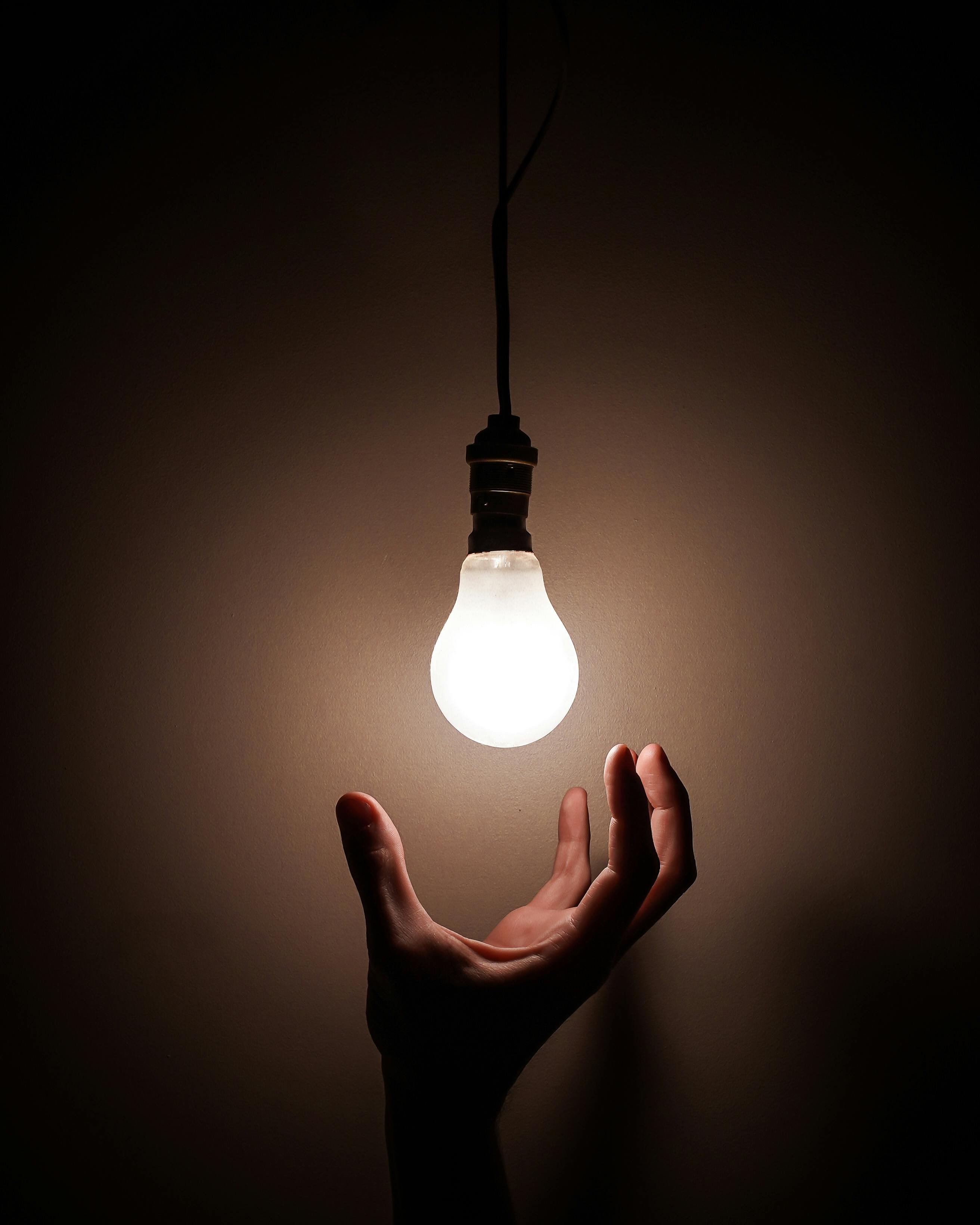
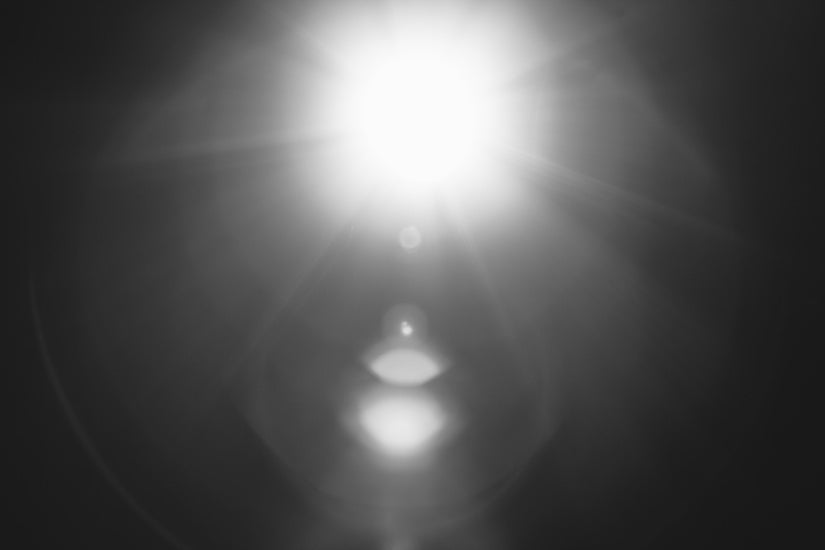
the natural agent that stimulates sight and makes things visible.
Example: It was dark so turned the light on.
en: Hikari
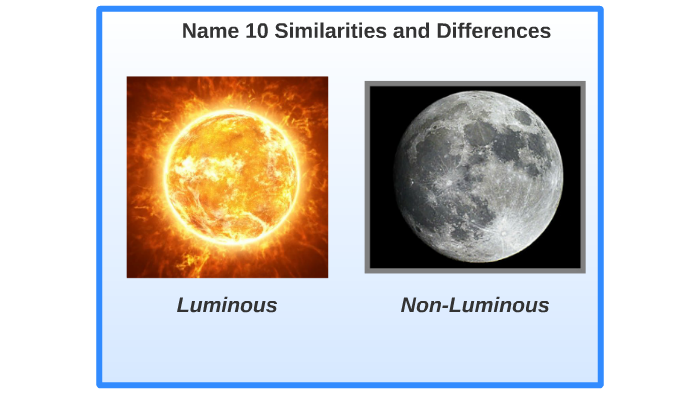
Luminous
adjective
full of or shedding light; bright or shining, especially in the dark.
Example: My watch has a luminous dial so I can see it in the dark.
en: Ruminasu
Non- luminous
Adjective
Not capable of producing light, but can be capable of reflecting light from another source.
Example: Hydrogen burns with a pale blue non-luminous flame, but will not support the combustion of ordinary combustibles.
en: Hi hakkō
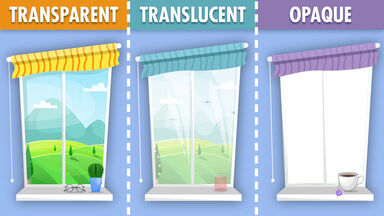
Opaque
Adjective
not able to be seen through; not transparent.
Example: But there was a figure at the window, looking silently out at the opaque sky.
en: Futōmei
Optics
noun
the scientific study of sight and the behavior of light, or the properties of transmission and deflection of other forms of radiation.
Example: Of recent years most treatises on physical optics, e.g.
en: Kōgaku
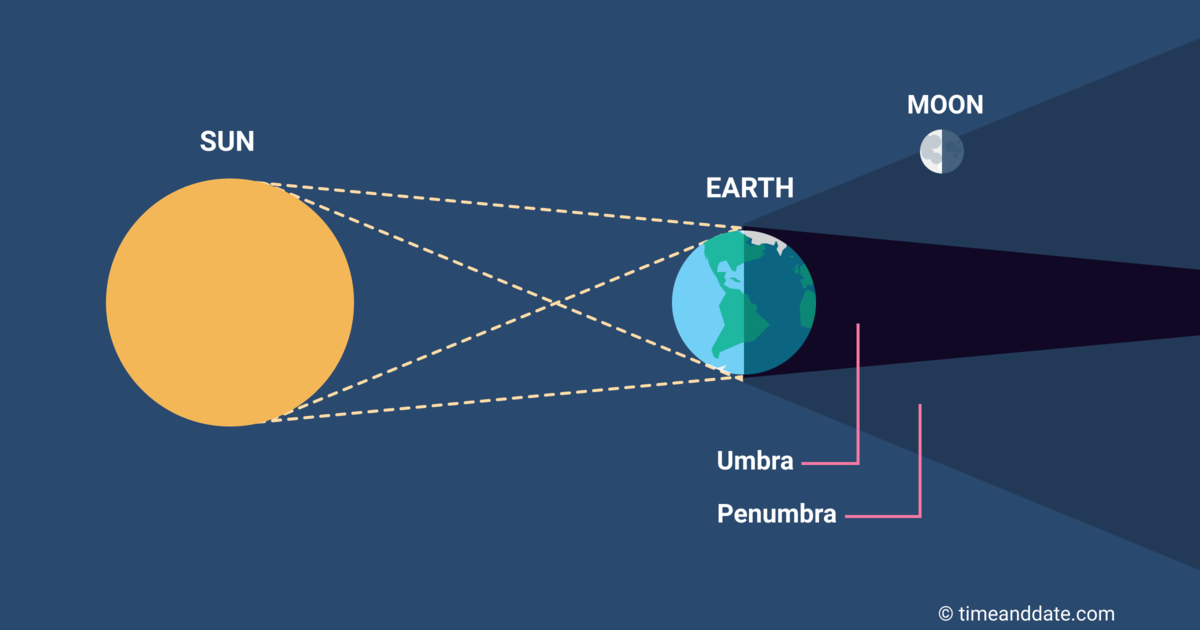
Penumbra
noun
the partially shaded outer region of the shadow cast by an opaque object.
Example: The area round it was hidden in the penumbra.
en: Han kage
reflection
noun
the throwing back by a body or surface of light, heat, or sound without absorbing it.
Example: She was looking at her reflection in the mirror.
en: Hansha
refracted ray
noun
A ray of light traveling in another medium, with change in direction is the refracted ray.
Example: let AD be the refracted ray, and r the angle of refraction.
en: Kussetsukōsen
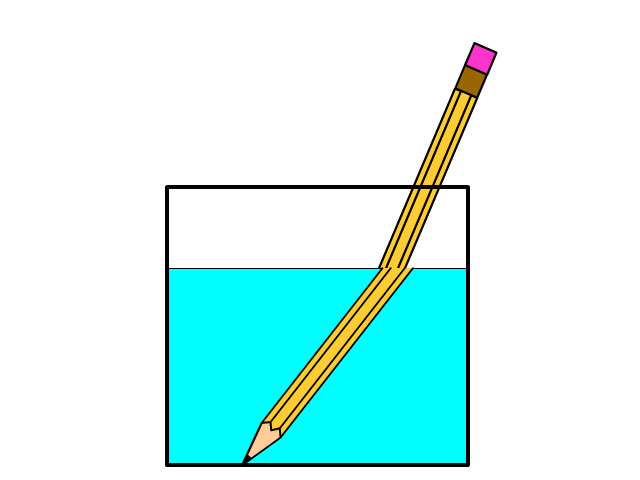
refraction
noun
the fact or phenomenon of light, radio waves, etc. being deflected in passing obliquely through the interface between one medium and another or through a medium of varying density.
Example: We observed refraction when we turned our flashlights upon the cloudy lake.
(191).jpg)
:max_bytes(150000):strip_icc()/cute-baby-boy-smiling-at-his-reflection-165823085-5b311da843a103003607c2bb.jpg)