This glossary was created to list a few words that will be useful to me in my future job.
Accountant
Noun
A person whose job is to keep, inspect, and analyse financial accounts.
Example: This filing system is quite confusing for anyone but he Accountant.
en: Comtpable
Accounting cycle
Noun
The accounting cycle is the process of accepting, recording, sorting, and crediting payments made and received within a business during a particular accounting period.
Example: A capital asset is defined as one, which is of a durable character with a useful life covering more than one accounting cycle.
en: Cycle comtpable
Accounting standard
Noun
Accounting standards are authoritative standards for financial reporting and are the primary source of generally accepted accounting principles. Accounting standards specify how transactions and other events are to be recognized, measured, presented and disclosed in financial statements.
Example: The Quarterly Financial Report requirements and structure as defined in the Treasury Board Accounting Standard 1.3.
en: Normes comptables
Balance sheet
Noun
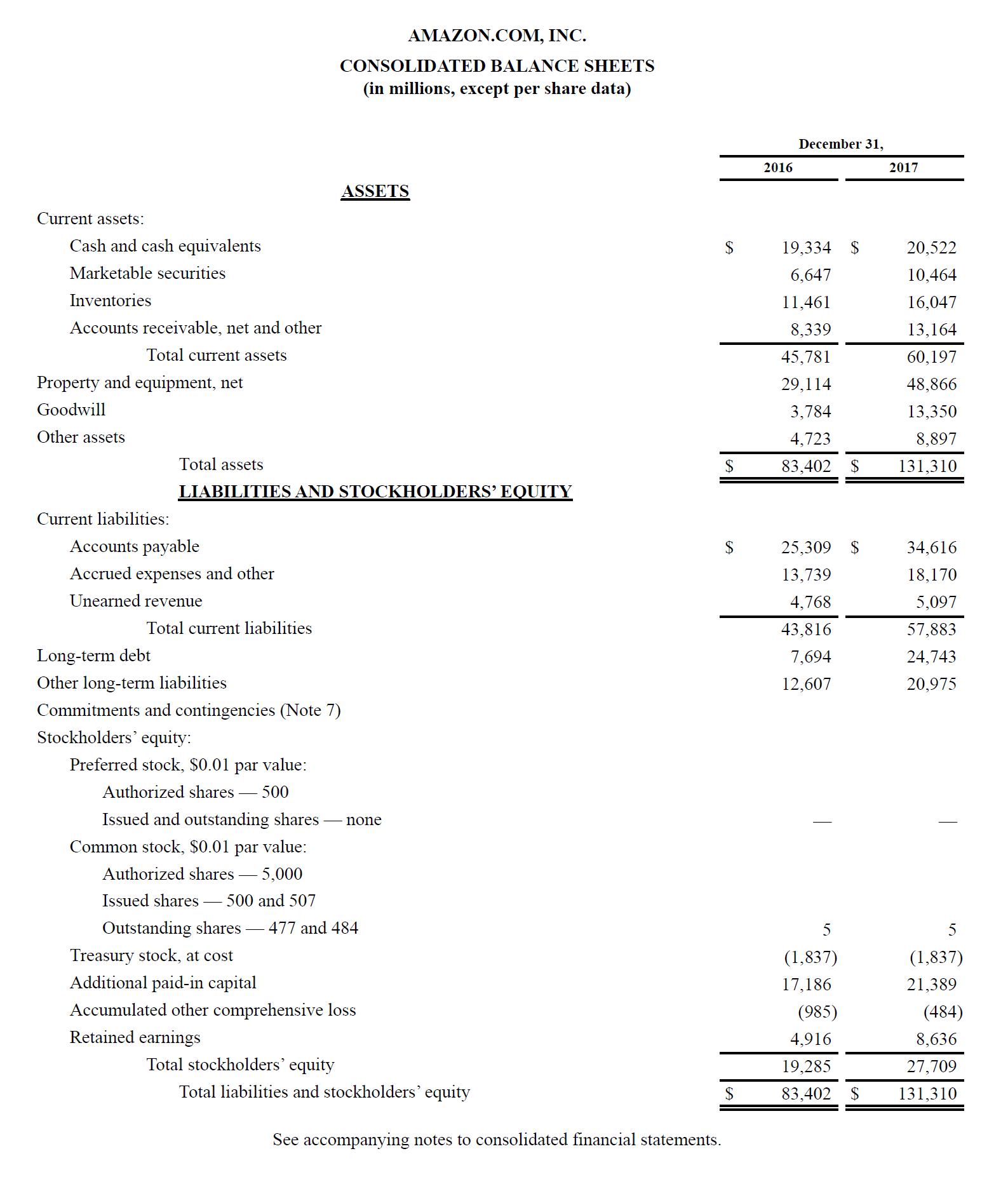
A balance sheet is a financial statement that reports a company's assets, liabilities and shareholders' equity at a specific point in time.
Example: During the audit audit, the balance sheet is checked.
en: Bilan
Bank loan
Noun
A bank loan is the most common form of loan capital for a business. A bank loan provides medium or long-term finance.
Example: Bank loans are good for financing investment in fixed assets.
en: Emprunt bancaire
Capital asset
Noun
A fixed asset is a durable use asset for an entity (business, administration, association).
Example: The useful life is the period over which a fixed asset is expected to be available for use by the entity.
en: Immobilisation
Depreciation
Noun
The monetary value of an asset decreases over time due to use, wear and tear or obsolescence.
Example: Of particular importance in this context are the fiscal treatment of depreciation and retained earnings.
en: Amortissement
General ledger
Noun
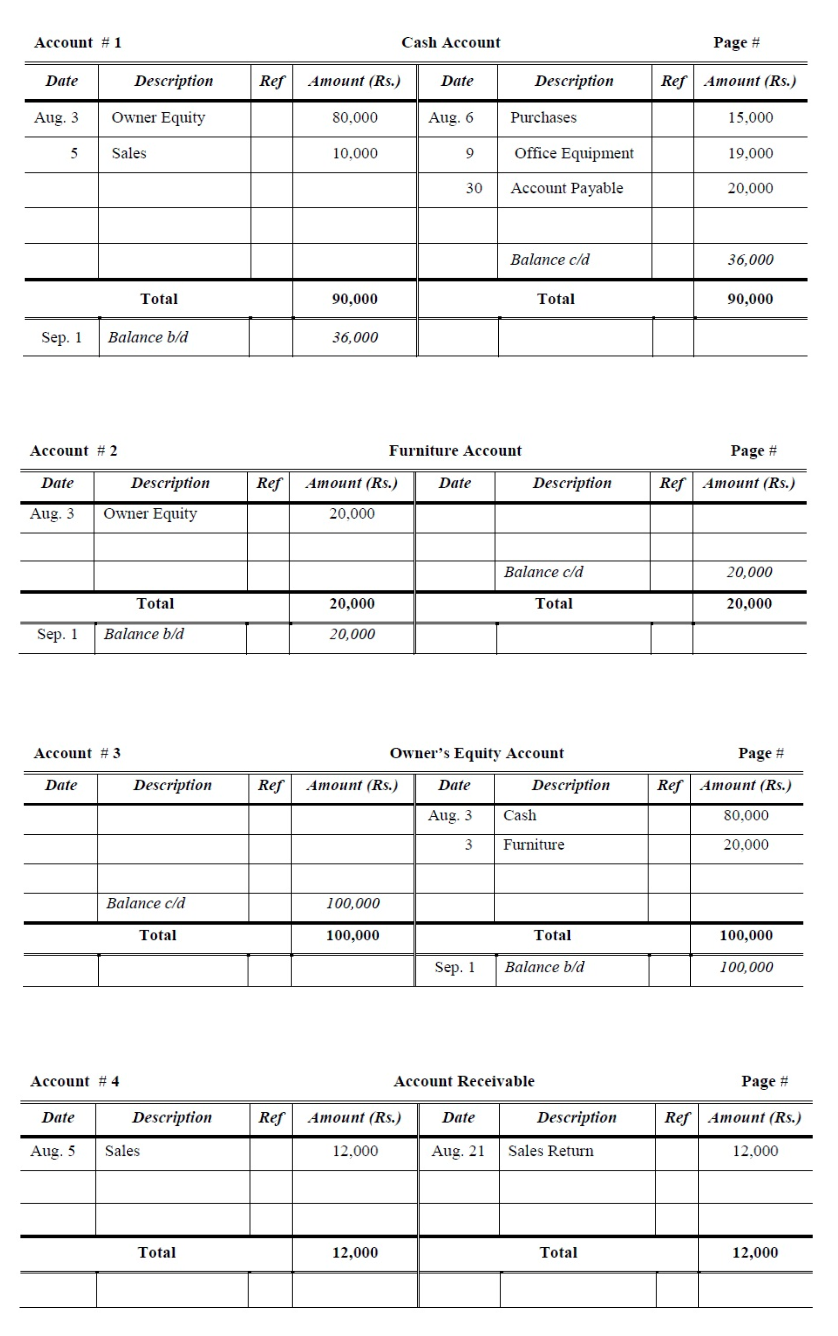
The financial accounting entry is then made to a suspense expense account in the general ledger.
Example: All of the company’s purchases were entered into the general ledger.
en: Grand-livre
Income Statement
Noun
An income statement is one of the three important financial statements used for reporting a company's financial performance over a specific accounting period, with the other two key statements being the balance sheet and the statement of cash flows.
Example: The Income Statement must also be in the format indicated in Chapter 14.
en: État des résultats
Inventory
Noun
A complete list of items such as property of your busines.
Example: Each month, employees assessed inventory.
en: Stock de marchandise
Operating expenses
Noun
Operating expenses are the expenses incurred by the enterprise that can be recognised as expenses and that relate to what the enterprise currently spends in the course of its operation in order to achieve its turnover.
Example: Corresponding cash operating expenses per barrel are estimated at $38 to $45, which excludes research and development costs.
en: Charge d'exploitation
Professional honorarium
Noun
This is an amount paid by the client in return for a professional service.
Example: The invoice for this client is $900 for a professional honorarium.
en: Honoraires professionnel
Tax
Noun
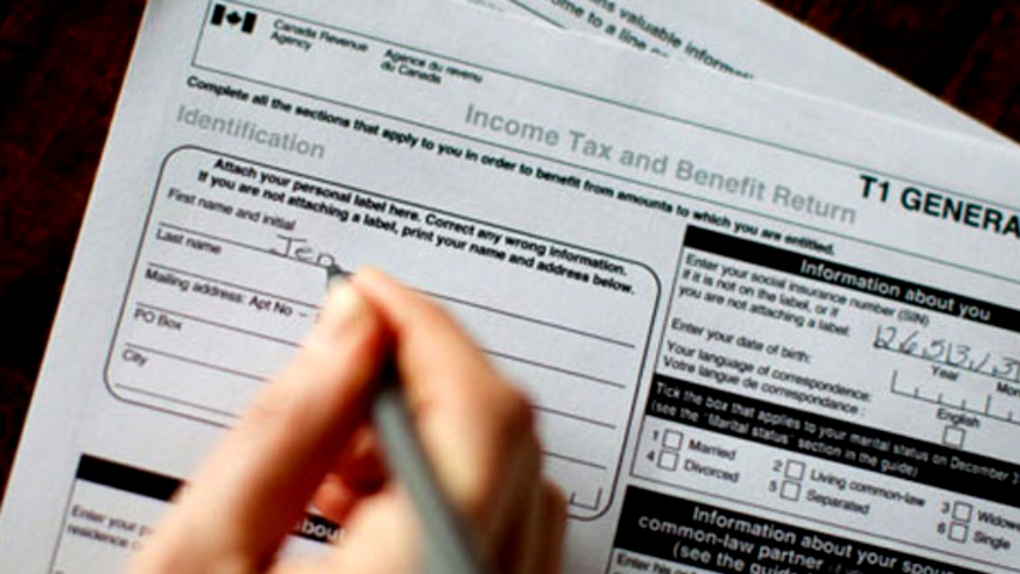
A compulsory contribution to state revenue, levied by the government on workers' income and business profits, or added to the cost of some goods, services, and transactions.
Example: This is the government that brought in tax cuts for small business.
en: Impôt
Turnover
Noun
The turnover is an accounting concept that calculates the benefice a business.
Example: Turnover of more than 5 billion $ in 2018.
en: Chiffre d'affaires
Year-end
Noun
The end of usually the fiscal year.
Example: For multiyear funding, year end reporting is required annually.