This glossary contains words that I will frequently use as a Special Care Counsellor. It’s my first year in the Special Care Counselling program and using this glossary will allow me to explain what my job consists of. I will do research on the internet to find the definitions.
Adaptation
Noun
Adaptation refers to a person's thoughts and behaviors when faced with a threatening situation (stress) in order to avoid negative consequences on their well-being.
Example: The special care counsellor know adaption strategies.
en: L'adaptation fait référence aux pensées et aux comportements d'une personne lorsqu'elle est confrontée à une situation menaçante (stress) afin d'éviter les conséquences négatives sur son bien-
Addiction
Noun
Addiction is an inability to stop using a substance or engaging in a behavior even though it may cause psychological or physical harm.
Example: A man has a alcohol addiction, he drinks heavily everyday to deal with difficult emotions.
en: La dépendance est l'incapacité d'arrêter de consommer une substance ou d'adopter un comportement, même si cela peut entraîner des dommages psychologiques ou physiques.
ADHD
Noun
Attention deficit hyperactivity disorder (ADHD) is a neurodevelopmental problem that results in difficulties controlling and restraining thoughts (inattention), gestures, and behaviors (hyperactivity/impulsivity).
Example: A woman with ADHD may frequently forget to do certain things like returning calls.
en: Le trouble du déficit de l’attention et de l’hyperactivité (TDAH) est un problème neurodéveloppemental qui entraîne des difficultés à contrôler et à freiner les idées (inattention), les gestes et les comportements (hyperactivité/impulsivité).
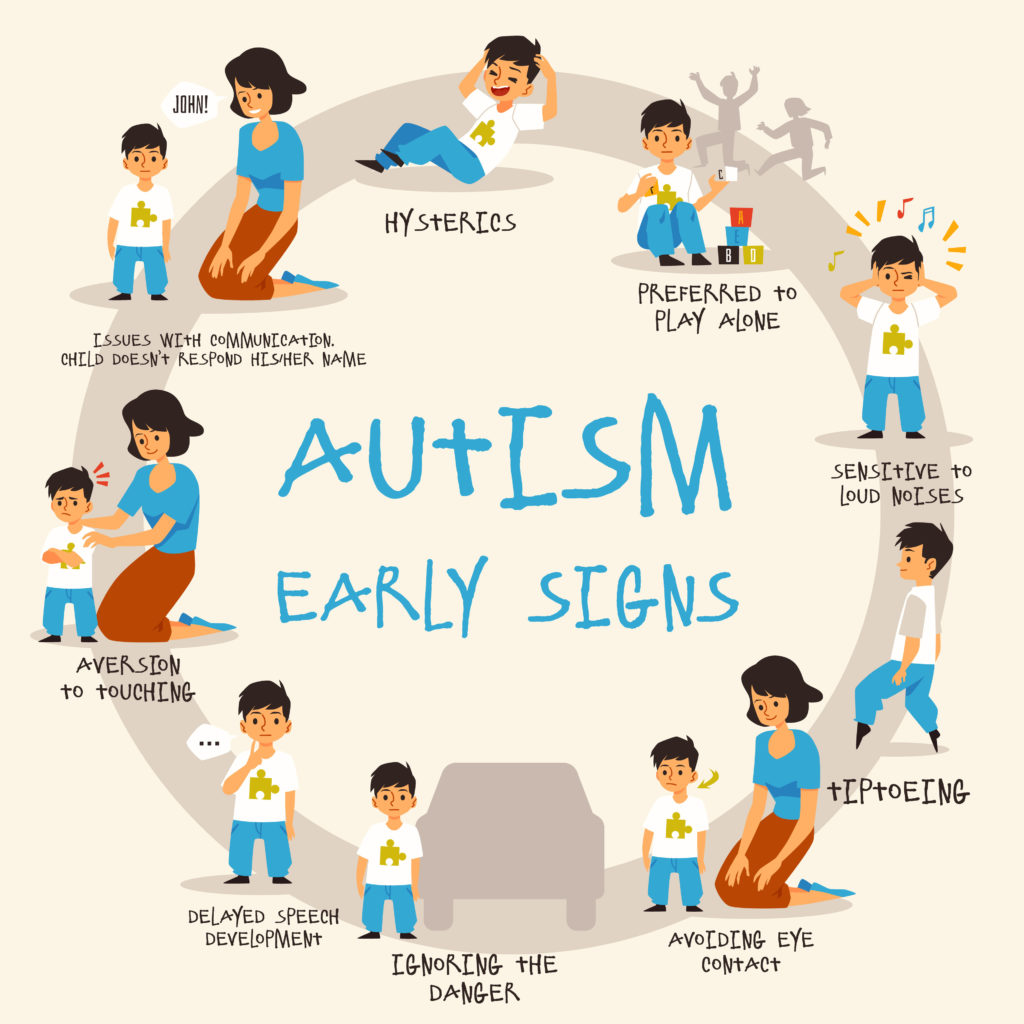
Autism
Noun
Autism is a neurodevelopmental disorder characterized by significant difficulties in two areas: in communication and social interaction, and in restricted or repetitive behaviors, activities and interests.
Example: A child with autism may have an extreme interest on a specific thing like trains.
en: L'autisme est un trouble neurodéveloppemental qui se caractérise par des difficultés marquées dans deux domaines: la communication et les interactions sociales ainsi que les comportements, activités et intérêts restreints ou répétitifs.
Behavior
Noun
Behavior refers to the set of actions, reactions or ways of acting of an individual in response to external or internal stimuli.
Example: A teenager who struggle with his mental health may display a agressive behavior.
en: Le comportement désigne l'ensemble des actions, réactions ou manières d'agir d'un individu face à des stimuli externes ou internes.
Creativity
Adjective
Creativity encompasses the ability to discover new and original ideas, connections, and solutions to problems.
Example: Creativity is an excellent therapeutic tool.
en: La créativité englobe la capacité de découvrir des idées, des liens et des solutions aux problèmes nouveaux et originaux.
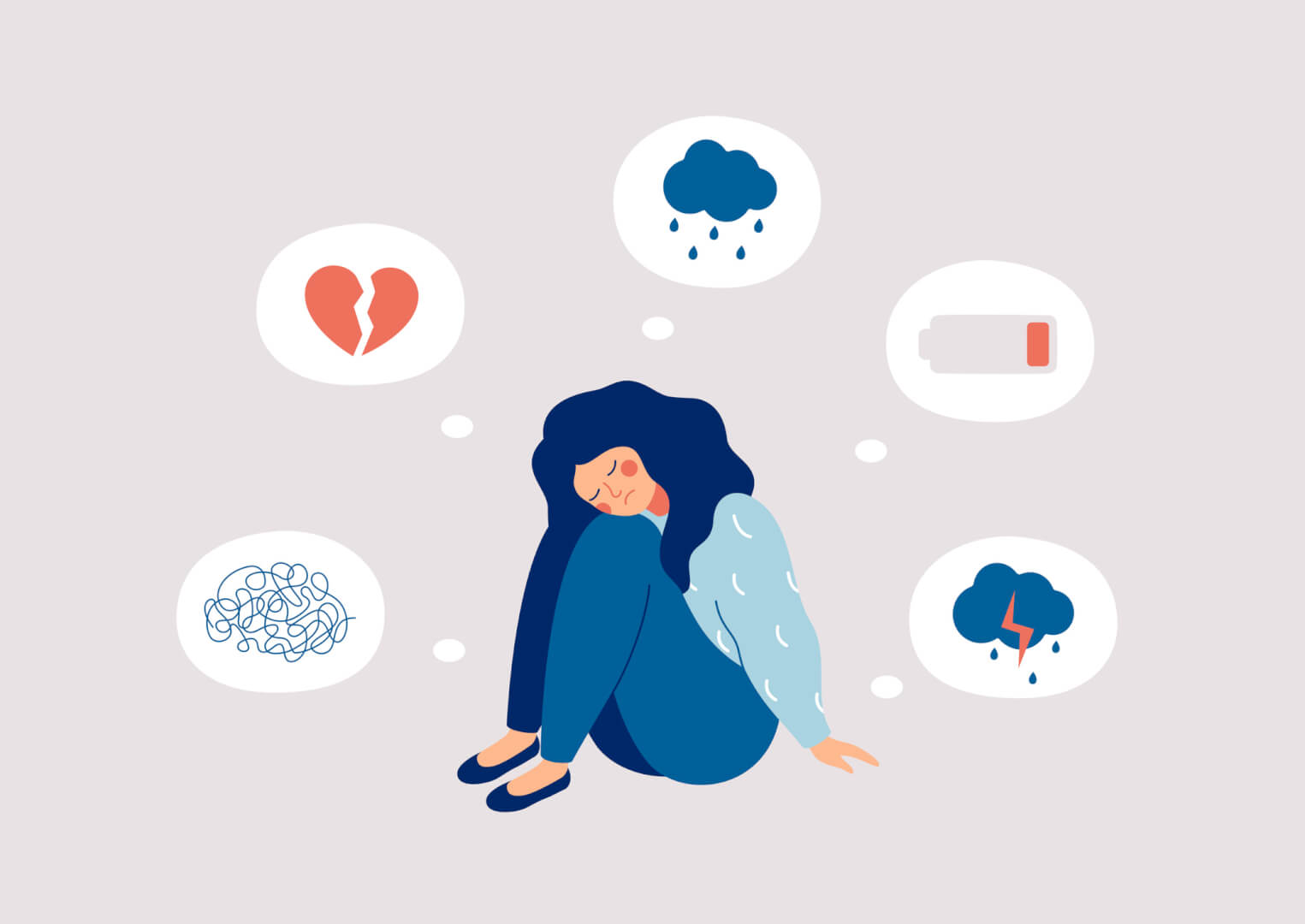
Depression
Noun
Depression is a mood disorder that causes a persistent feeling of sadness and loss of interest.
Example: The teenager isolate himself due to depression.
en: La dépression est un trouble de l'humeur qui provoque un sentiment persistant de tristesse et une perte d'intérêt.
Down Syndrome
Noun
Down syndrome occurs when an individual has a full or partial extra copy of chromosome 21.
Example: A child with Down Syndrome may have poor immune function.
en: Le syndrome de Down survient lorsqu'un individu possède une copie supplémentaire, complète ou partielle, du chromosome 21.
Dyscalculia
Noun
Dyscalculia is a term used to describe specific learning disabilities that affect a child’s ability to understand, learn, and perform math and number-based operations.
Example: A child with dyscalculia may have difficulty recognizing numbers.
en: La dyscalculie est un terme utilisé pour décrire des troubles spécifiques de l'apprentissage qui affectent la capacité d'un enfant à comprendre, à apprendre et à effectuer des opérations mathématiques et numériques.
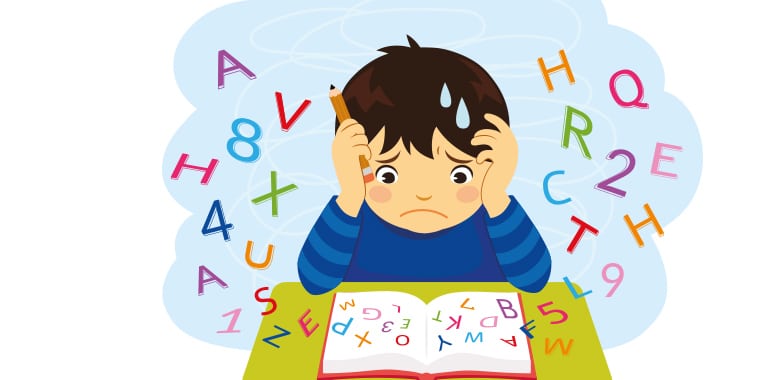
Dyslexia
Noun
Dyslexia is a learning disability that makes it harder to read words accurately and fluently.
Example: A child with dyslexia may experience difficulties with letter reversals, they could reverse "was" with "saw".
en: La dyslexie est un trouble d’apprentissage qui rend la lecture précise et fluide des mots difficile.
Empathy
Noun
Empathy is the ability to recognize, understand, and share the thoughts and feelings of another person.
Example: Empathy is essential in Special Care Counselling.
en: L'empathie est la capacité de reconnaître, de comprendre et de partager les pensées et les sentiments d'une autre personne.
Fine motor skills
Noun
Fine motor skills are the tiny movements we make with our hands, fingers, feet and toes.
Example: Some conditions will affect a child fine motor skills.
en: La motricité fine désigne les petits mouvements qu'on fait avec nos mains, nos doigts, nos pieds et nos orteils.
Intellectual Disability
Noun
A person with an intellectual disability has significant limitations in intellectual functioning (reasoning, planning, problem-solving, abstract thinking, understanding complex ideas, learning from experience, memory, attention).
Example: A person with an intellectual disability has difficulty meeting the demands of daily life.
en: La personne présentant une déficience intellectuelle a des limitations significatives du fonctionnement intellectuel (raisonnement, planification, résolution de problème, pensée abstraite, compréhension d’idées complexes, apprentissages à partir d’expériences, mémorisation, attention).
Learning Disabilities
Noun
Learning Disabilities (LDs) are specific neurological disorders that affect the brain’s ability to store, process, retrieve or communicate information. They are invisible and lifelong.
Example: A child with a learning disability may have trouble following instructions.
en: Les troubles d’apprentissage (TA) sont des troubles neurologiques particuliers qui affectent la capacité du cerveau de retenir, traiter, récupérer ou communiquer de l’information. Ils sont invisibles et durent toute la vie.
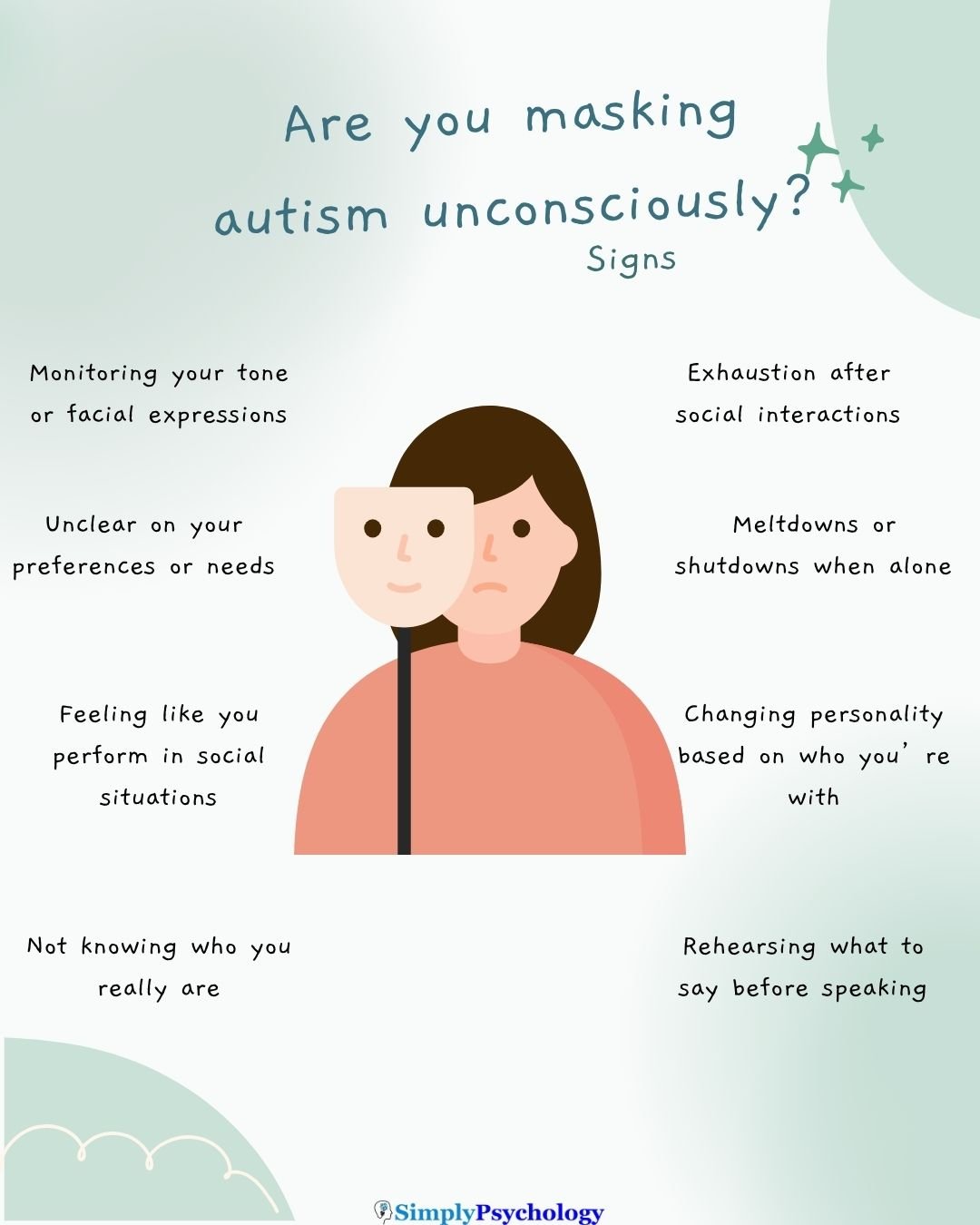
Masking
Noun
Masking is a strategy used by some autistic people, consciously or unconsciously, to appear non-autistic.
Example: A teenager may hide some parts of their personality by fear of being rejected.
en: Le camouflage autistique est une stratégie utilisée par les personnes autistes, consciemment ou inconsciemment, pour paraître alliste.
Mental Health
Noun
Mental health includes emotional, psychological, and social well-being. It affects how we think, feel, act, make choices, and relate to others.
Example: A teenager struggle with her mental health.
en: La santé mentale englobe les émotions et le bien-être psychologique et social. Elle influence notre façon de penser, de ressentir, d'agir, de faire des choix et de communiquer avec les autres.
Rehabilitation
Noun
Rehabilitation is defined as “a set of interventions designed to optimize functioning and reduce disability in individuals with health conditions in interaction with their environment”.
Example: A rehabilitation planning will help individuals regain their functional abilities.
en: La réadaptation est définie comme « un ensemble d’interventions visant à optimiser le fonctionnement et à réduire l’invalidité chez les personnes souffrant de problèmes de santé, en interaction avec leur environnement ».
Risk factor
Noun
A risk factor is any attribute, characteristic, or exposure of an individual that increases the likelihood of developing a disease, injury, or adverse condition.
Example: Abuse is a leading risk factor for mental health conditions.
en: Un facteur de risque est tout attribut, caractéristique ou exposition d'un individu qui augmente la probabilité de développer une maladie, une blessure ou un effet indésirable.
Social Anxiety
Noun
Social anxiety is the fear of being judged and evaluated negatively by other people, leading to feelings of inadequacy, inferiority, self-consciousness, embarrassment, humiliation, and depression.
Example: A teenager may avoid going outside because she have social anxiety, and she is afraid of being judged.
en: L'anxiété sociale est le sentiment d'être jugé et évalué négativement par les autres, ce qui tend à engendrer un sentiment d'insécurité, d'infériorité, de timidité, de gêne, d'humiliation et de dépression.
Social Exclusion
Noun
Social exclusion refers to the process whereby certain individuals or groups are systematically marginalized, preventing them from fully participating in society's institutions and enjoying its benefits.
Example: A disabled man is more likely to experience social exclusion.
en: L'exclusion sociale désigne le processus par lequel certains individus ou groupes sont systématiquement marginalisés, les empêchant de participer pleinement aux institutions de la société et de bénéficier de ses avantages.