My name is Éléonore Tassé-Bonneau, and I am 17 years old. This glossary is about psychology which is what my program is about. I've been studying it for a year, so for two sessions at the Cégep de Saint-Laurent. This glossary is for people who want to learn more about psychology, and for those who are interested in finding out if it's a great career path for them. Psychology is useful because it helps you understand yourself and others better by learning about human behaviour and the human brain. By doing so, you'll also be able to understand your environment better, and you'll have more tools to solve problems in your social life and liked to your mental health. To create this glossary, I searched one on the internet (https://psychologenie.com/glossary-of-psychology-terms-definitions), and chose the most important terms we learn in this field of study. I found the definitions on Google, and used Copilot to create examples. Share this blog if it were useful.
behaviorism
noun
the theory that human and animal behavior can be explained in terms of conditioning, without appeal to thoughts or feelings, and that some mental conditions are best treated by altering behavior patterns.
Example: In behaviorism, psychologists study how rewards and punishments shape actions, rather than focusing on thoughts or emotions.
fr: béhaviorisme
cognition
noun
the mental action or process of acquiring knowledge and understanding through thought, experience, and the senses.
Example: Problem-solving and memory are essential components of cognition, influencing how we navigate everyday challenges.
fr: cognition
conditioning
noun
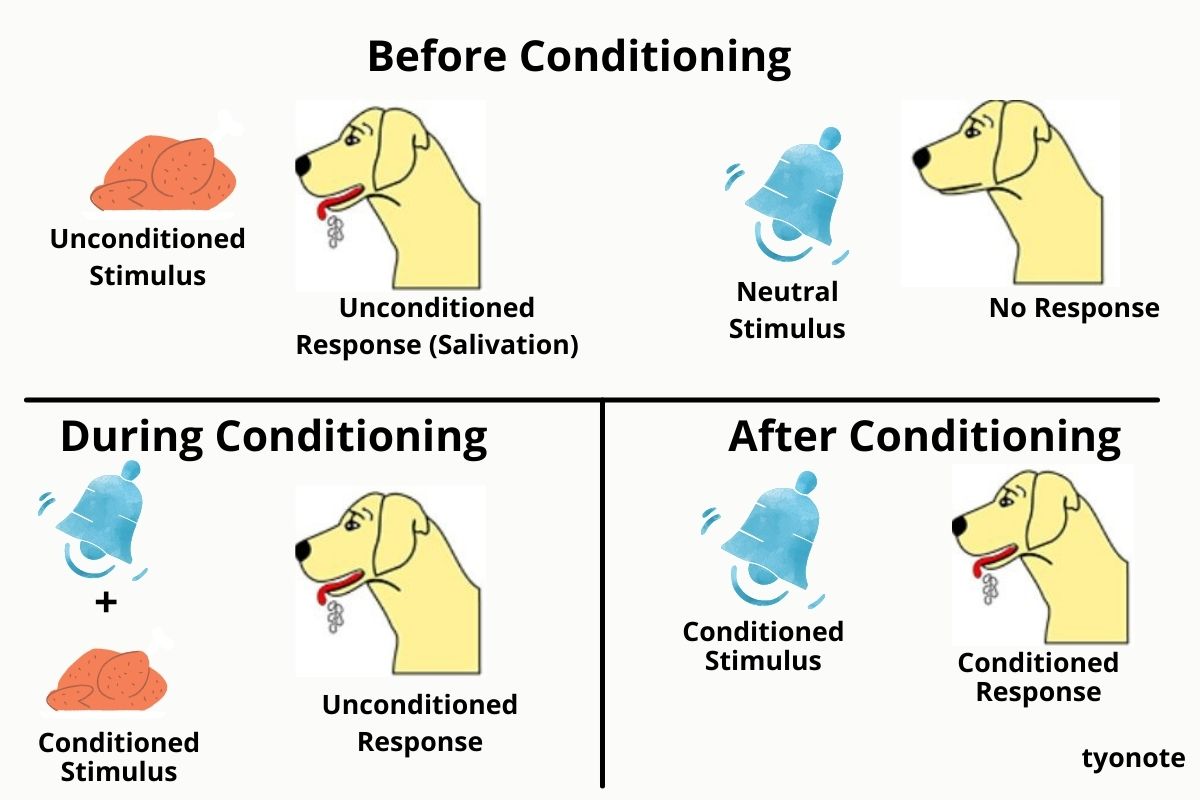
the process of training or accustoming a person or animal to behave in a certain way or to accept certain circumstances.
Example: Pavlov's experiment with dogs is a famous example of classical conditioning, where a neutral stimulus becomes associated with an automatic response.
fr: conditionnement
defense mechanism
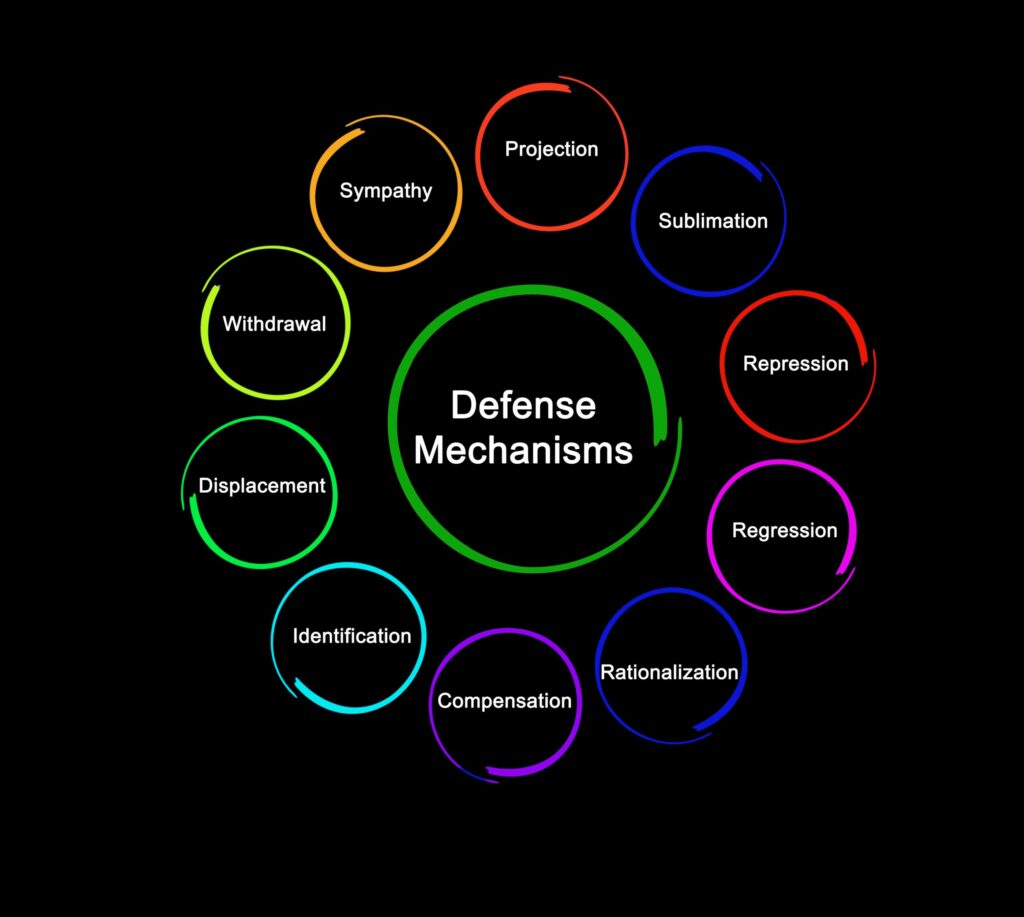
an unconscious psychological strategy used to protect oneself from anxiety, distress, or other uncomfortable emotions.
Example: Denial is a common defense mechanism people use to avoid confronting uncomfortable truths about their behavior or emotions.
fr: mécanisme de défense
dependence
noun
the state of relying on or being controlled by someone or something else.
Example: Psychological dependence on social validation can lead individuals to seek constant reassurance from others.
fr: dépendance
emotion
noun
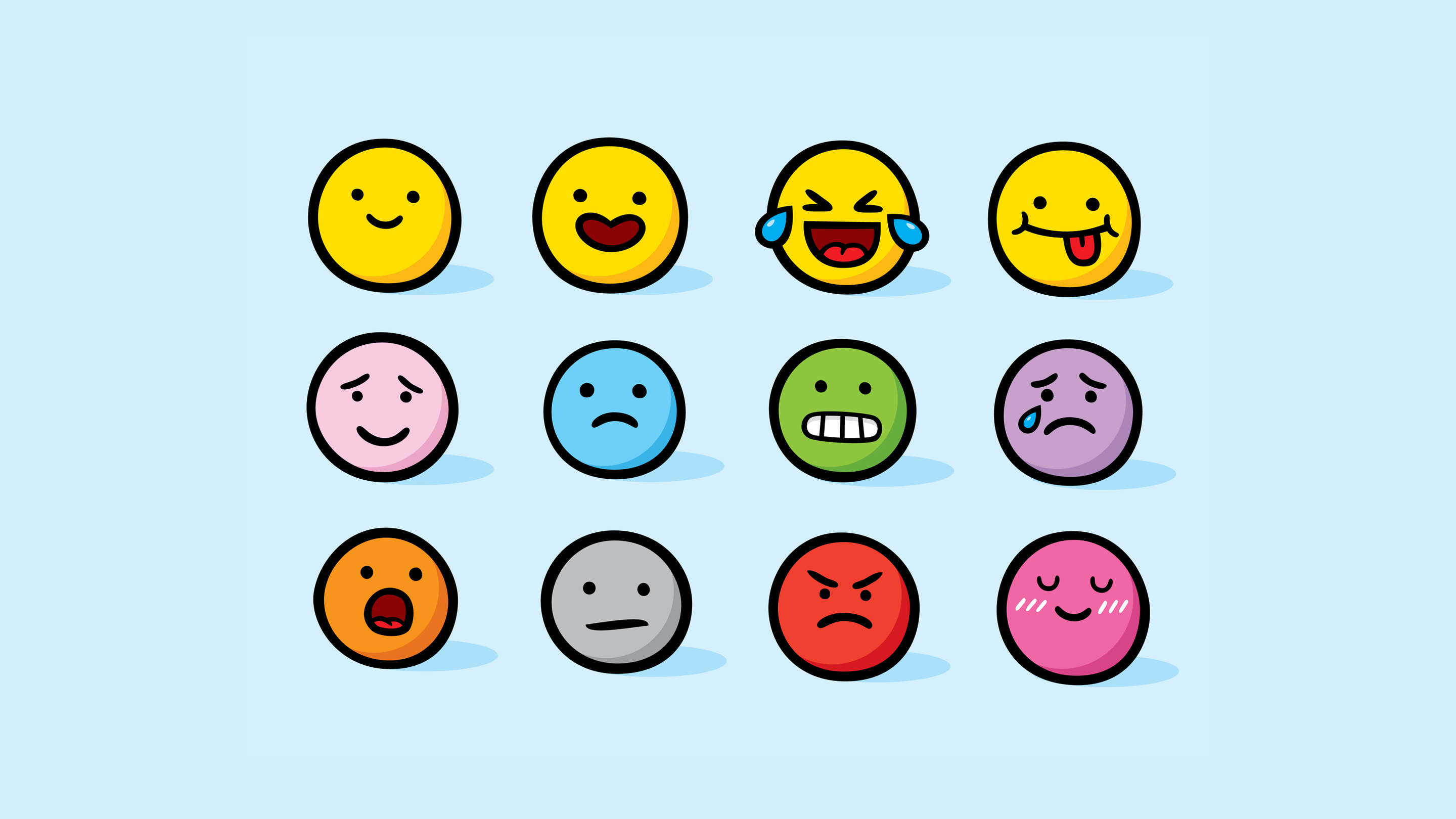
a natural instinctive state of mind deriving from one's circumstances, mood, or relationships with others.
Example: Emotion plays a crucial role in human cognition, influencing decision-making, memory, and interpersonal relationships.
fr: émotion
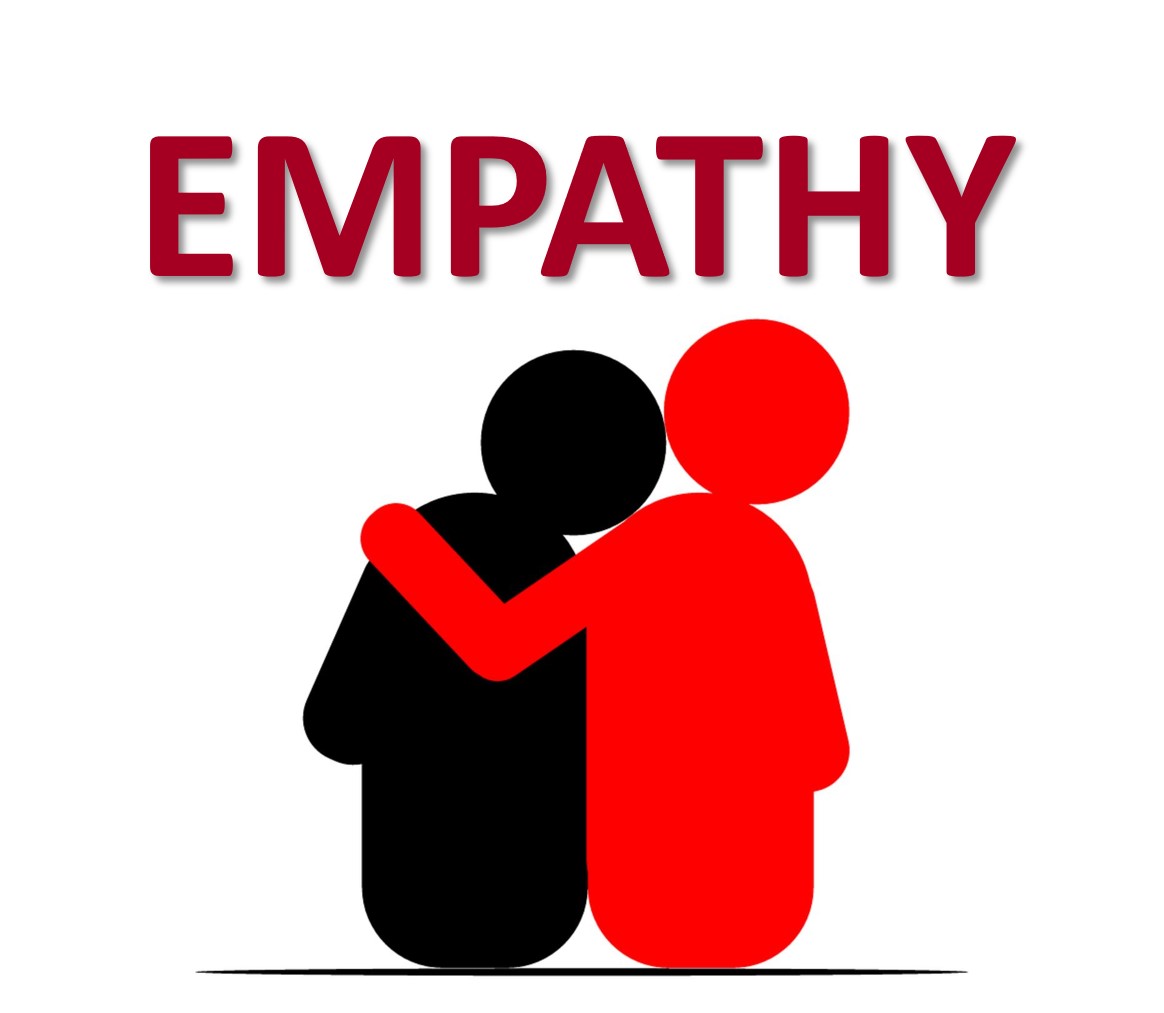
empathy
noun
the ability to understand and share the feelings of another.
Example: True empathy allows us to understand and share another person’s emotions, fostering deep connections in relationships.
fr: empathie
intelligence
noun
the capacity to be aware of, control, and express one's emotions, and to handle interpersonal relationships judiciously and empathetically.
Example: Emotional intelligence is just as important as cognitive intelligence when it comes to managing relationships and social interactions.
fr: intelligence
mental illness
noun
Mental illnesses are health conditions involving changes in emotion, thinking or behavior (or a combination of these). Mental illnesses can be associated with distress and/or problems functioning in social, work or family activities.
Example: Awareness and support are essential for reducing stigma and improving treatment options for individuals experiencing mental illness.
fr: maladie mentale
motivation
noun
the drive or desire to take action and pursue a goal. It's the force that propels individuals to initiate, continue, or terminate certain behaviors at a particular time.
Example: Intrinsic motivation drives people to pursue goals for personal satisfaction rather than external rewards.
fr: motivation
neuroplasticity
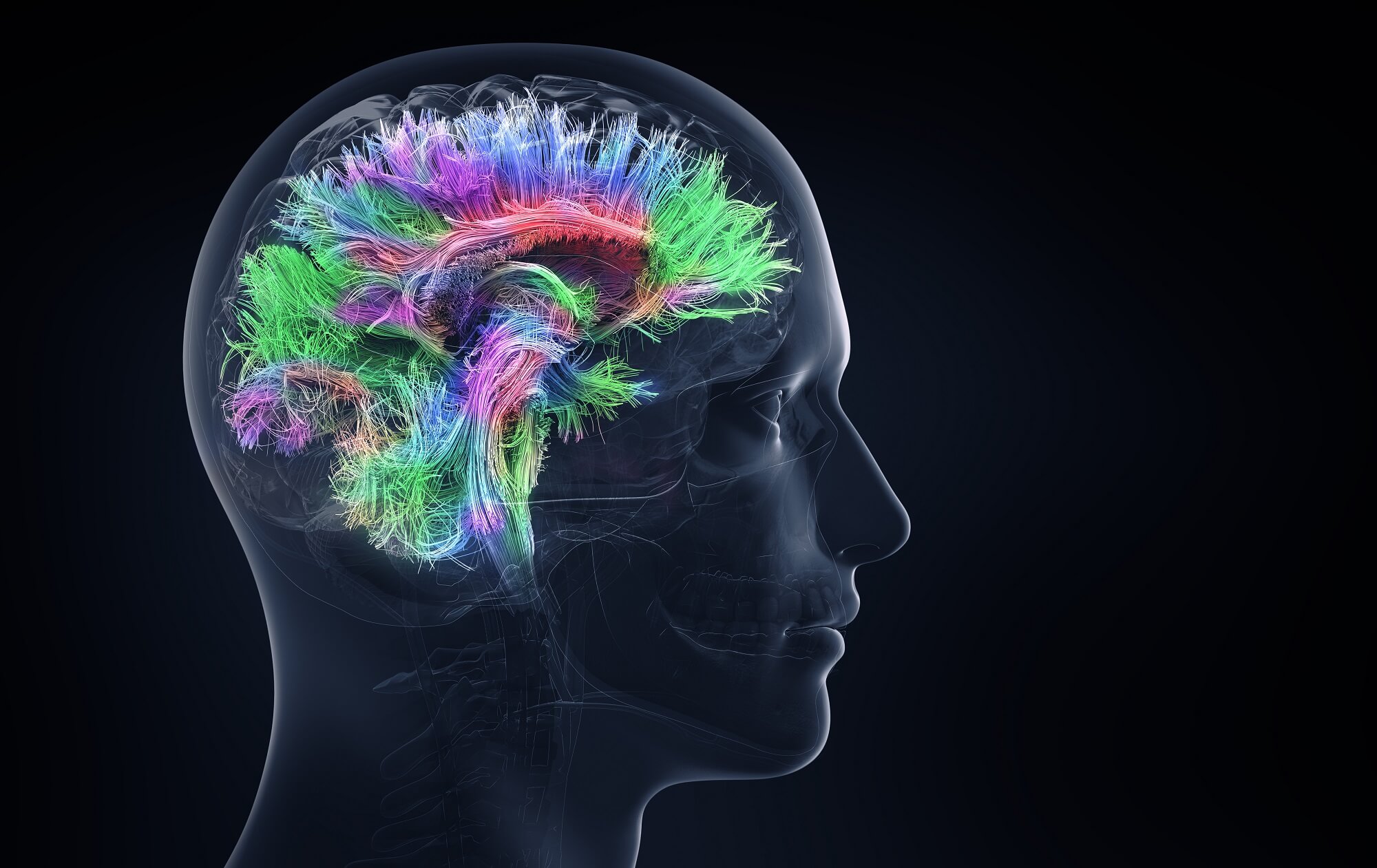
noun
the ability of the brain to form and reorganize synaptic connections, especially in response to learning or experience or following injury.
Example: The brain’s ability to rewire itself through neuroplasticity is what allows people to recover from injuries and adapt to new experiences.
fr: neuroplasticité
perception
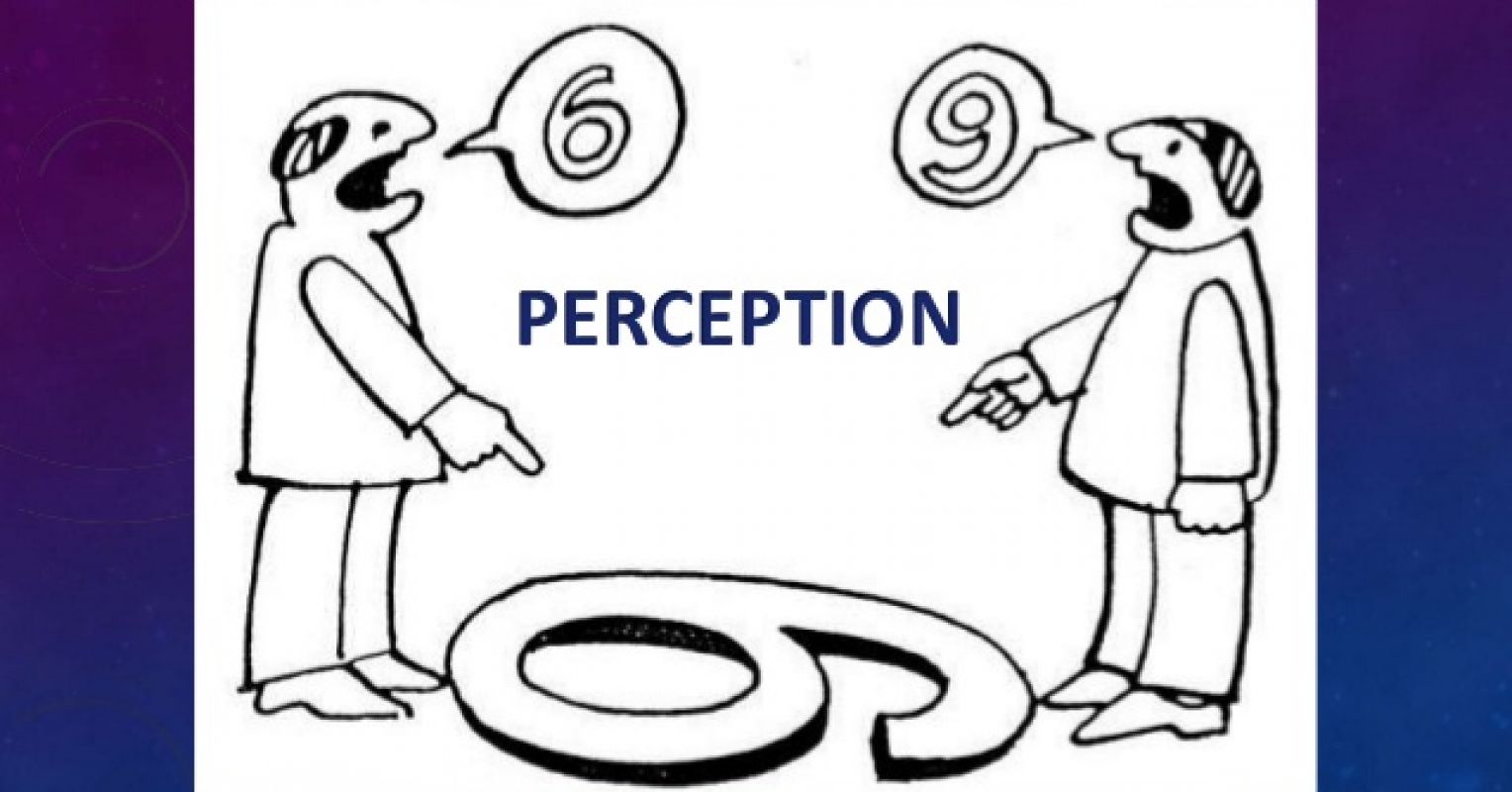
noun
the process of selecting, organizing, and interpreting sensory information to create a meaningful understanding of the world.
Example: Our perception of reality is influenced by past experiences, emotions, and cultural conditioning.
fr: perception
personality
noun
the unique and enduring characteristics that distinguish one individual from another, encompassing their thoughts, feelings, and behaviors.
Example: Studies suggest that personality traits can be shaped both by genetics and life experiences.
fr: personnalité
psychoanalysis
noun
a system of psychological theory and therapy that aims to treat mental conditions by investigating the interaction of conscious and unconscious elements in the mind and bringing repressed fears and conflicts into the conscious mind by techniques such as dream interpretation and free association.
Example: Freud’s psychoanalysis explores the influence of unconscious desires and childhood experiences on adult behavior.
fr: psychanalyse
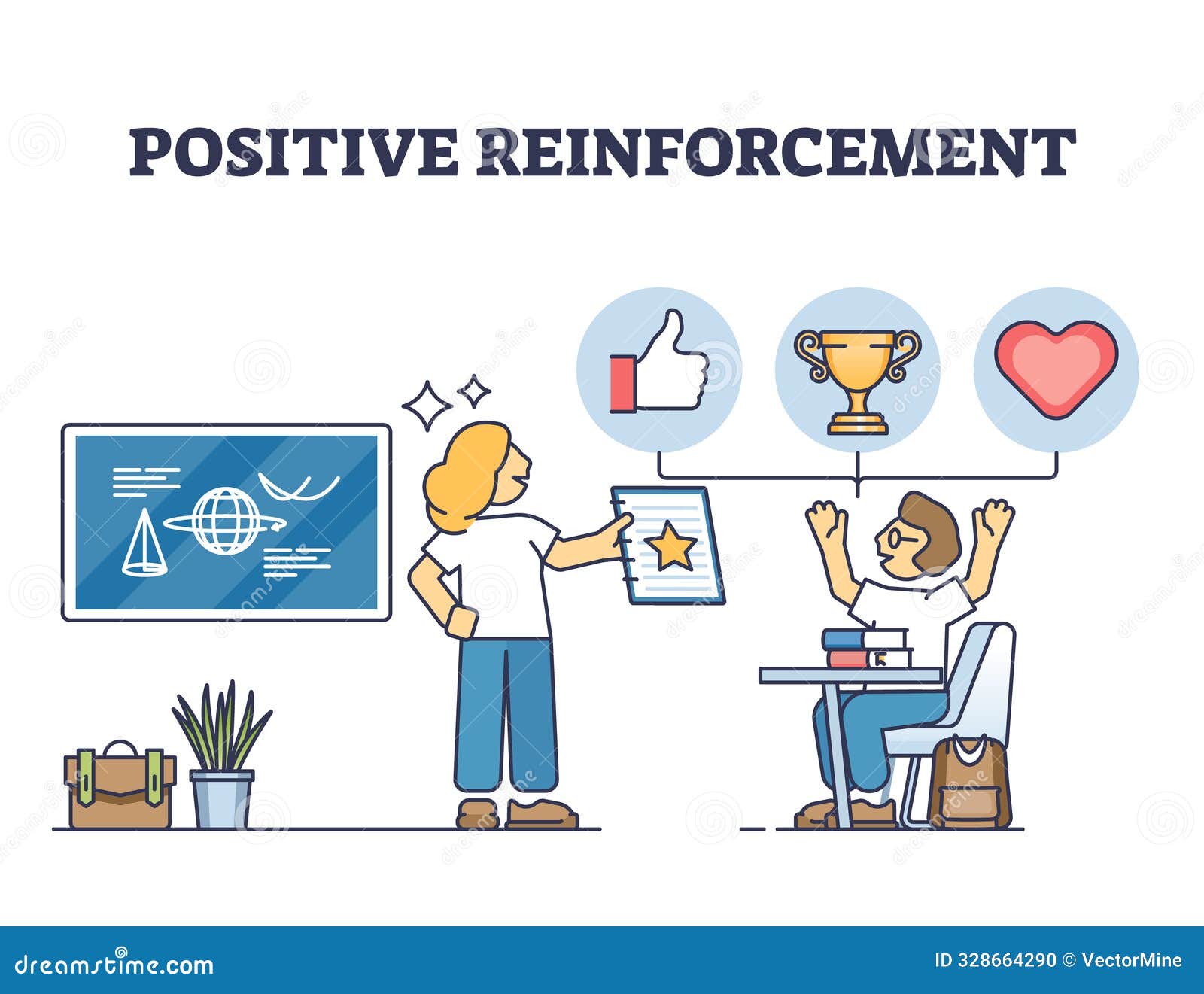
reinforcement
noun
any consequence that increases the likelihood of a behavior being repeated.
Example: Positive reinforcement, such as praise or rewards, encourages repetition of desired behaviors.
fr: renforcement
stress
noun
a state of mental or emotional strain or tension resulting from adverse or very demanding circumstances.
Example: Chronic stress can impact both mental and physical health, leading to issues like anxiety and fatigue.
fr: stress
trauma
noun
a deeply distressing or disturbing experience.
Example: Unresolved trauma can manifest in behaviors and emotions long after the original event has passed.
fr: traumatisme
unconsciousness
noun
the mental processes that operate outside of conscious awareness but still influence thoughts, feelings, and behavior. It's the realm of thoughts, feelings, memories, and motivations that we're not directly aware of, yet they can impact our conscious experiences and actions.
Example: Many of our decisions are driven by unconsciousness, shaping behaviors in ways we don’t always recognize.