This glossary helps people understand the words used by firefighters so when they assist an intervention, they can understand what they are talking about
arson
noun
The criminal act of deliberately setting fire to property.
Example: "Police are treating the fire as arson"
en: incendie criminel
conflagration
noun
An extensive fire which destroys a great deal of land or property.
Example: "Tinder-dry conditions sparked fears of a conflagration in many drought-devastated communities"
en: incendie
fire wall
noun
Building structure designed to delay horizontal spread of a fire from one area of a building to another; often regulated by fire code and required to have self-closing doors, and fireproof construction.
Example: The crew set up a fire wall using hoses and water to prevent the flames from spreading to nearby structures.
en: mur coupe-feu
flashpoint
noun
The temperature at which a particular organic compound gives off sufficient vapor to ignite in air.
Example: "This particular resin is very volatile and has a fairly low flashpoint".
en: point d'éclair
indirect attack
noun
Method of firefighting in which water is pumped onto materials above or near the fire so that the splash rains onto the fire, often used where a structure is unsafe to enter.
Example: The safety officer issued an indirect attack on the team's preparedness by pointing out flaws in standard protocols without directly blaming the firefighters.
en: attaque indirecte
jaws of life
noun
Hydraulic spreader used in extrication procedures. Most commonly used, but not limited to, during motor vehicle accidents.
Example: The firefighters used the jaws of life to carefully pry open the crushed car and rescue the trapped driver.
en: désincarcérateur
kindling
noun
Easily combustible small sticks or twigs used for starting a fire.
Example: "There was a box of pine kindling close to the stove with a pile of birch bark on top."
en: allumage
master stream
noun
A large nozzle, either portable or fixed to a pumper, capable of throwing large amounts of water relatively long distances.
Example: The crew deployed the master stream from the ladder truck to control the intense flames engulfing the warehouse.
en: flux principal
offensive attack
noun
Method of firefighting in which water or other extinguisher is taken directly to the seat of the fire, as opposed to being pumped in that general direction from a safe distance.
Example: The firefighters initiated an offensive attack, entering the burning building to aggressively combat the fire from within.
en: attaque offensive
overhauling
verb
Late stage in fire-suppression process during which the burned area is carefully examined for remaining sources of heat that may re-kindle the fire. Often coincides with salvage operations to prevent further loss to structure or its contents, as well as fire-cause determination and preservation of evidence.
Example: After extinguishing the fire, the crew began overhauling the structure, carefully checking for hidden embers to prevent rekindling.
en: reviser
pumper truck
noun
A fire apparatus with a permanently mounted fire pump of at least 750 gpm (3000 L/min) capacity, water tank and hose body whose primary purpose is to combat structural and associated fires.
Example: At the scene, some of the men began dragging hoses from a pumper truck.
en: camion-pompe
rekindle
verb
A situation in which a fire, thought to be extinguished, resumes burning.
Example: The firefighters remained on scene long after the flames were out to ensure the fire wouldn't rekindle from smoldering debris.
en: rallumer
rescue
noun
Save (someone) from a dangerous or distressing situation.
Example: "Firemen were called out to rescue a man trapped in the river".
en: sauvetage
retreat
noun
An act of moving back or withdrawing.
Example: "A speedy retreat".
en: retraite
salvage cover
noun
Heavy-duty tarpaulins folded or rolled for quick deployment to cover personal property subjected to possible water or other damage during firefighting.
Example: The crew quickly deployed a salvage cover over the homeowner's furniture to protect it from water damage while they worked to extinguish the fire.
en: couverture de sauvetage
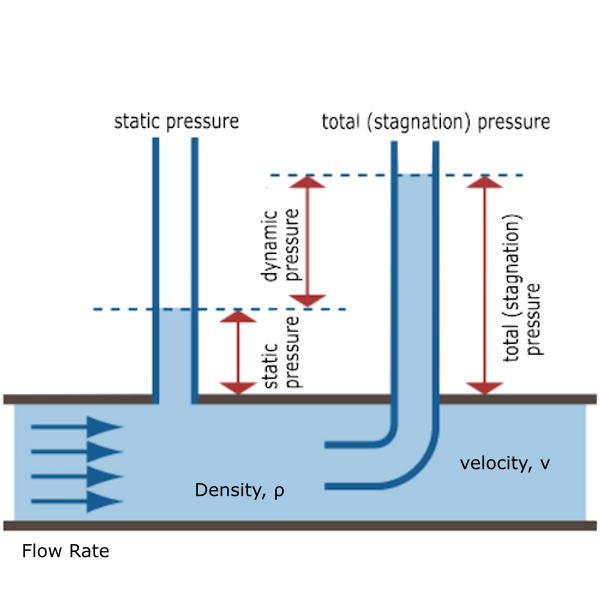
static pressure
noun
The pressure in a water system when the water is not flowing.
Example: Before opening the hydrant, the firefighter checked the static pressure to ensure the water supply would be adequate for the operation.
en: pression statique
tanker plane
noun
An aircraft equipped to carry water or fire retardant for use in wildland fire suppression.
Example: The wildfire spread rapidly, prompting authorities to call in a tanker plane to drop fire retardant over the advancing flames.
en: avion citerne
turnout jacket
noun
A non-flammable jacket with oversized pockets that enable the wearer to carry the required tools and equipment.
Example: "The firefighter quickly donned his turnout gear before rushing into the burning building."
en: veste ignifuge
venturi effect
noun
Creating a partial vacuum using a constricted fluid flow, used in fire equipment for mixing chemicals into water streams, or for measuring flow velocity.
Example: The ventilation team used the venturi effect to help clear the smoke from the building, creating a low-pressure area that drew the smoke out more efficiently.
en: effet venturi
water hammer
noun
Large, damaging shock wave in a water supply system caused by shutting a valve quickly, or by permitting a vehicle to drive across an unprotected fire hose.
Example: When the firefighter shut off the hydrant too quickly, the sudden stop in water flow caused a loud water hammer, shaking the pipes.