This glossary is a 20 words glossary with images and pronunciations on Prehospital Emergency Care, and it can help anybody who wants to know more about this profession or to know more terms in case of an emergency. I found the words with the help pf the Actively Engaged Online book which I used for the definition as well as the internet.
ambulance
noun
A vehicle specially equipped for taking sick or injured people to and from the hospital, especially in emergencies.
Example: When Max broke his arm, he was taken to the hospital in an ambulance.
en: ambulance
antibiotic ointment
noun
A type of topical ointment, typically in an oil base, applied to the skin to kill bacteria and prevent infection.
Example: When Jack cut his knee, his mother putted antibiotic ointment to prevent infection.
en: pommade antibiotique
artery
noun
An artery is a blood vessel that carries blood from the heart to tissues and organs in the body.
Example: The carotid artery is in the neck and the radial artery is in the wrist.
en: artère
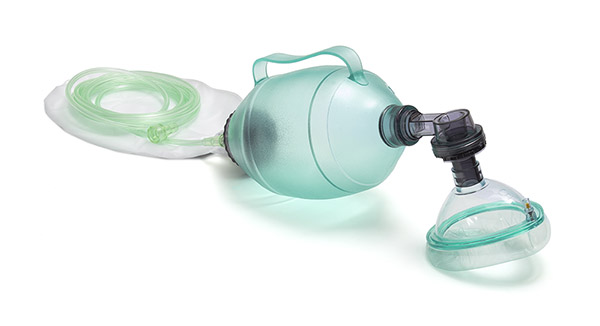
bag-valve masks
noun
An airway apparatus used to cover the patient's nose and mouth and begin ventilating the lungs mechanically by squeezing a reservoir of oxygen or air.
Example: When a patient is not breathing the paramedics will use a bag-valved mask to give them oxygen or air.
en: masques à valve
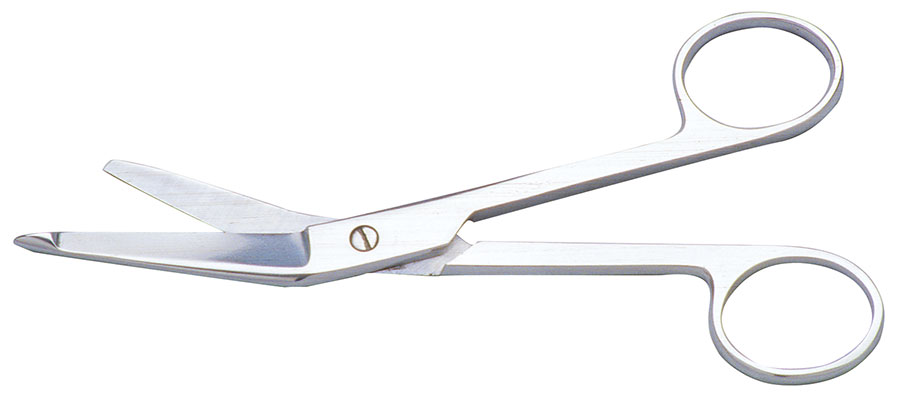
bandage scissors
noun
Angled tip scissors, with a blunt tip on the bottom blade, which helps in cutting the bandages without gouging the skin.
Example: When I need to tape my ankle when I sprain it, I use bandage scissors, so I don't hurt myself.
en: ciseaux à pansement
bronchitis
noun
A bronchitis is an inflammation of the mucous membranes of the bronchi.
Example: I need I had bronchitis when I found myself coughing a lot, and I was having trouble breathing.
en: bronchite
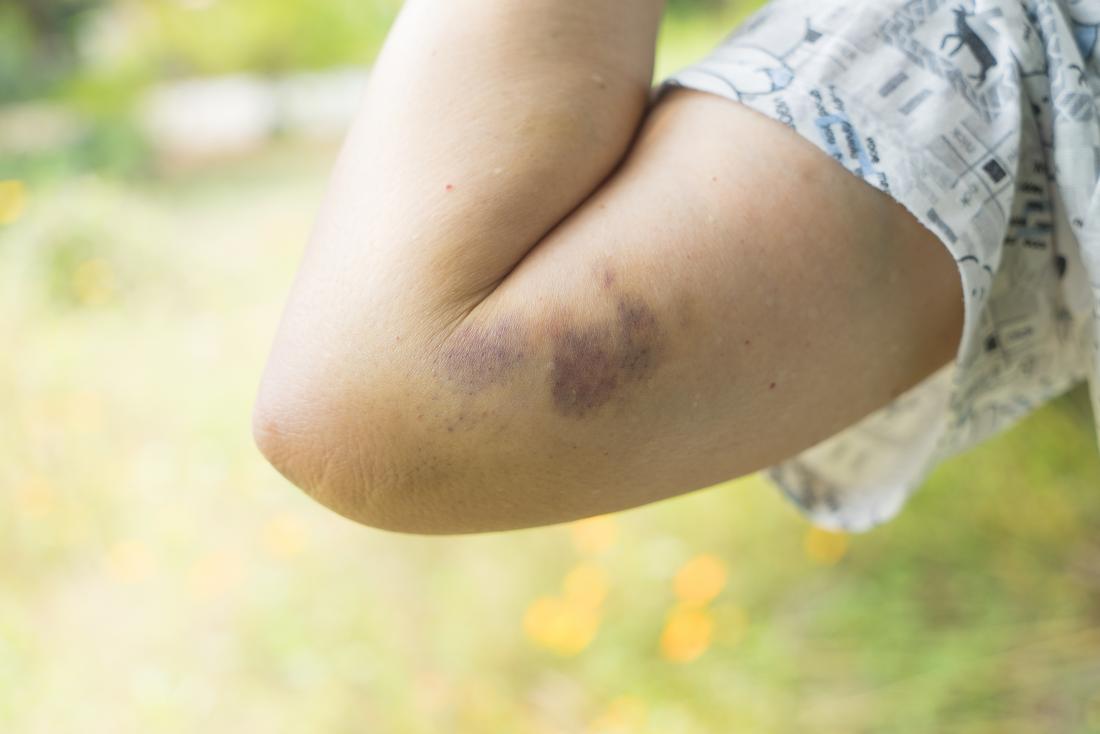
bruise
noun
An injury appearing as an area of discolored skin on the body, caused by a blow or impact rupturing underlying blood vessels.
Example: His body was a mass of bruises after he had been attacked.
en: hématome
cardiac monitor
noun
A piece of electronic equipment for continual observation of the function of the heart.
Example: After a cardiac arrest paramedic will use a cardiac monitor to follow the patient heart and if, there are any changes.
en: moniteur cardiaque
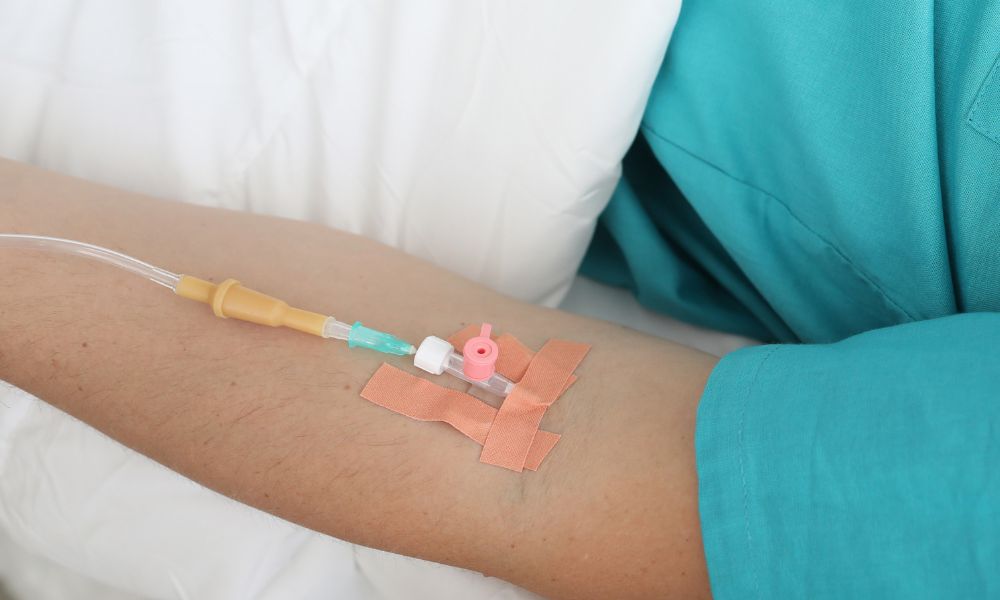
catheter
noun
A flexible tube inserted into the lumen of a body cavity or blood vessel and allow the drainage of liquid or infusion, or access to other medical devices.
Example: When a patient is dehydrated, a catheter is inserted in their arm to hydrate them faster.
en: cathéter
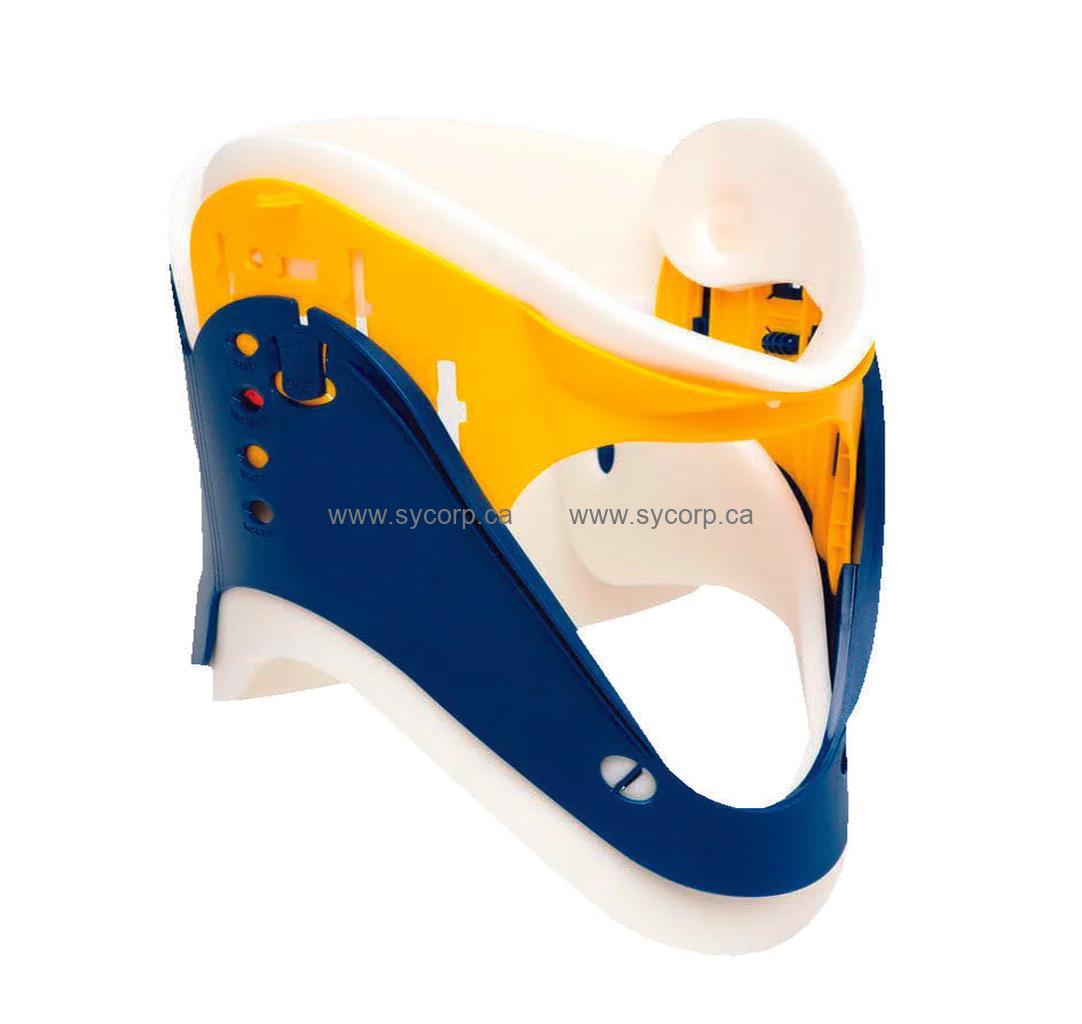
cervical collar
noun
A cervical collar is a neck brace used to support a patient's neck and head.
Example: After an accident, the paramedics will put a cervical collar on the injured person to stabilize them and reduce the risks of worse injuries.
en: collier cervical
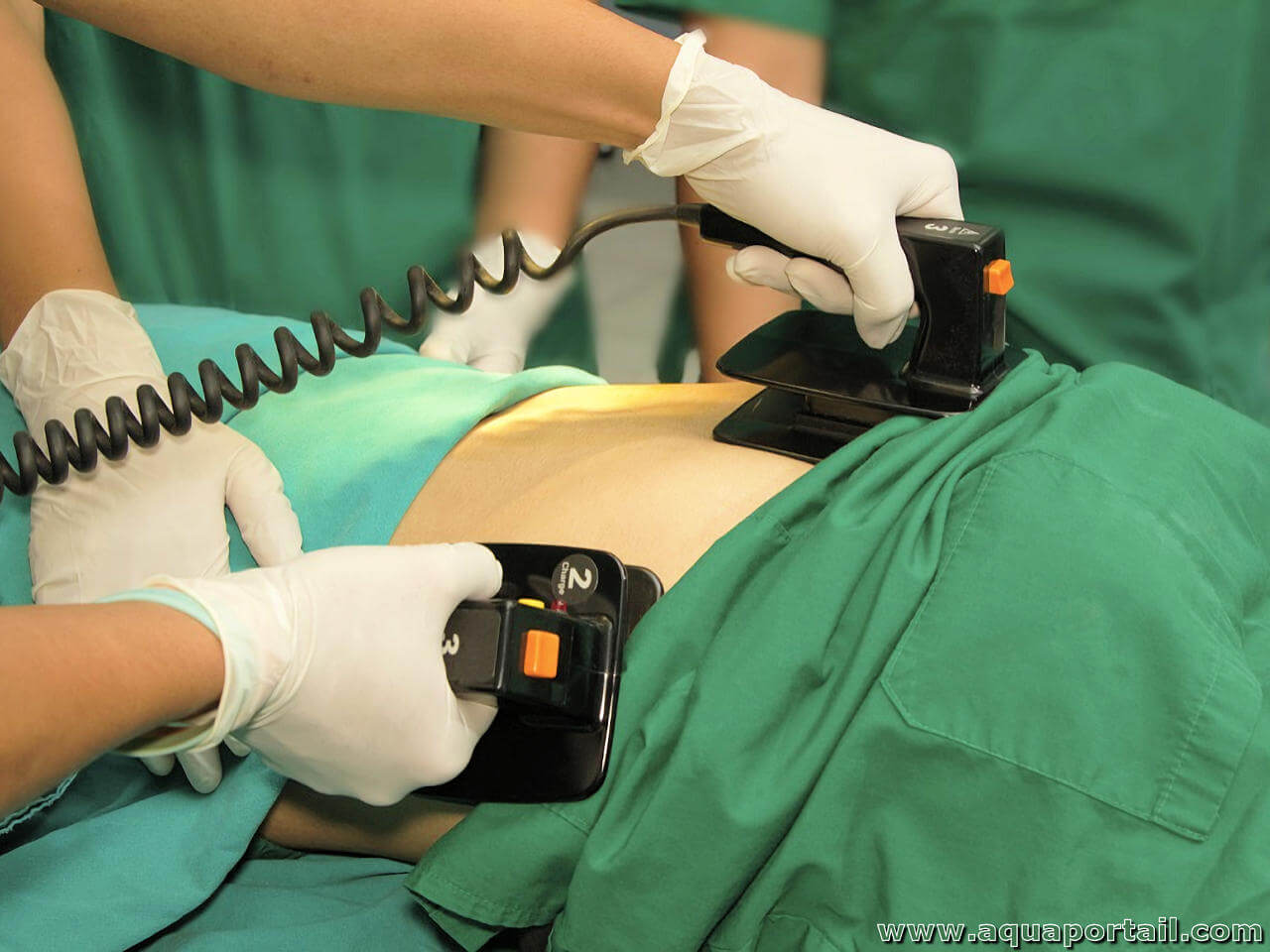
defibrillation
noun
The stopping of fibrillation of the heart by administering a controlled electric shock in order to allow restoration of the normal rhythm.
Example: Usually, a person will need defibrillation when their heart stops beating.
en: défibrillation
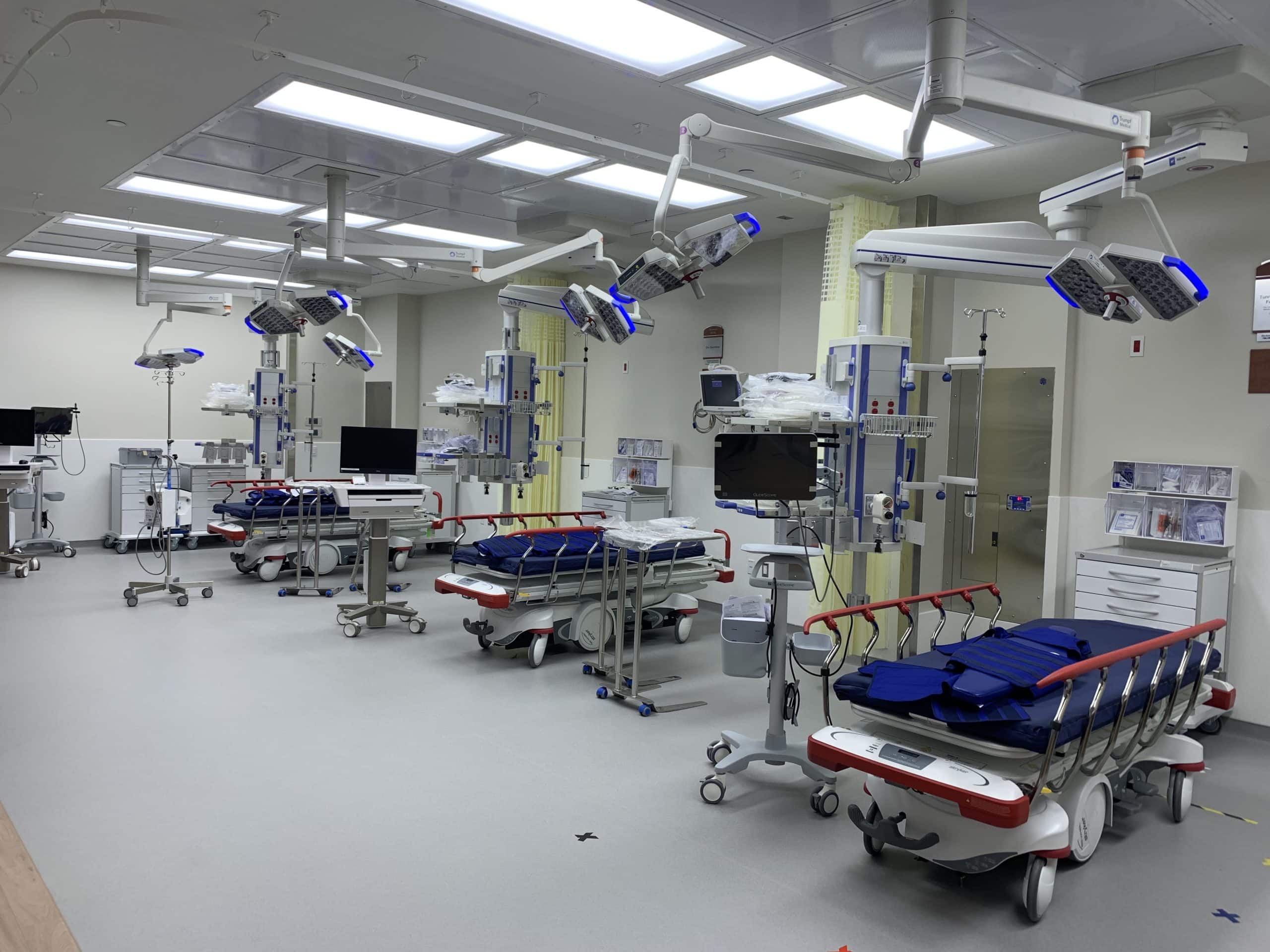
emergency room
noun
A hospital area equipped and staffed for the prompt treatment of acute illness, trauma, or other medical emergencies.
Example: After receiving treatment from paramedics, you get taken to an emergency room to get more treatment from a doctor.
en: salle d'urgence
gauze pads
noun
A piece of fabric used to guard and cushion a wound, to absorb blood or other fluids, to apply ointments, or to rub cleansing fluids, such as rubbing alcohol or iodine, onto a wound or site of incision.
Example: After cutting my knee I désinfecter it and put a bandage on in using gauze pads.
en: tampons de gaze
hospital
noun
An institution in which sick or injured people are given medical or surgical treatment.
Example: When Max broke his foot, he was taken to the hospital to be put in a cast.
en: hôpital
oxygen tank
noun
An oxygen tank is a storage vessel for oxygen, which is either held under pressure in gas cylinders or as liquid oxygen in a cryogenic storage tank.
Example: To help a patient breathe better, they will use an oxygen tank to help them.
en: bouteille d'oxygène
spinal board
noun
A spinal board is a patient handling device used primarily in prehospital trauma care designed to provide rigid support during movements of a patient with suspected spinal or limb injuries.
Example: After Sarah broke her leg, the paramedic putted her on a spinal board to be able to transport her to the ambulance without further damage to her leg.
en: planche dorsale
splint
noun
A splint is a device used for support or immobilization of limbs or of the spine.
Example: When Sarah broke her leg, they putted a splint to immobilize her leg.
en: attelle
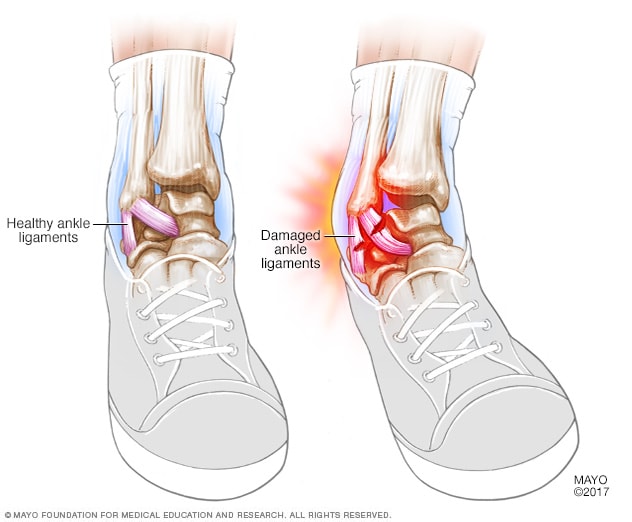
sprain
verb
A sprain is a ligament injury caused by excessive mobilization of a hinge.
Example: I sprained my ankle while playing basketball.
en: entorse
syringe
noun
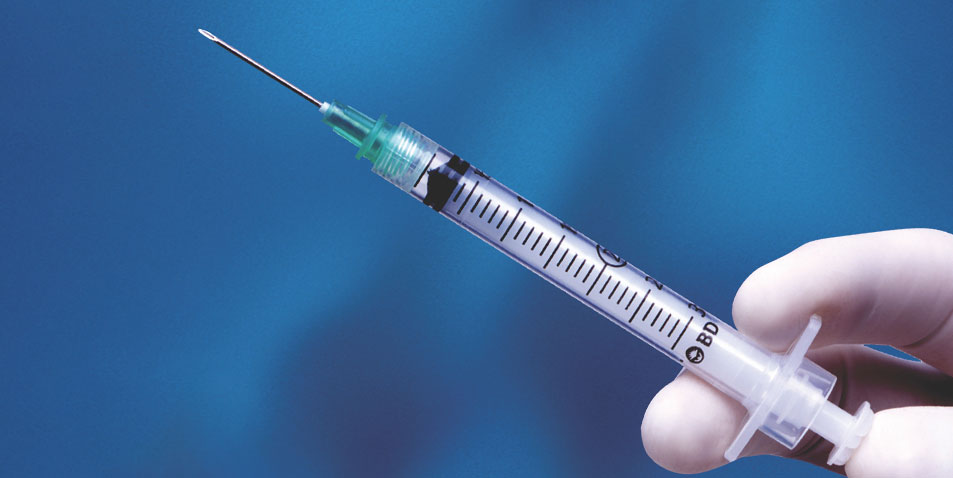
A syringe is a tube with a nozzle and piston or bulb for sucking in and ejecting in a thin stream, used for cleaning wounds or body cavities, or fitted with a hollow needle for injecting or withdrawing fluids.
Example: When necessary, paramedics will use syringe to give medicine to patients.
en: seringue
tourniquet
noun
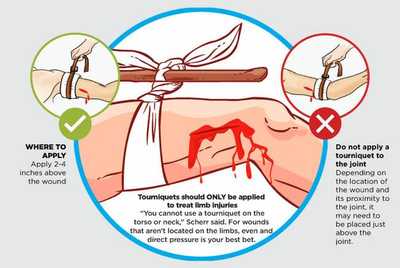
A tourniquet is a device for stopping the flow of blood through a vein or artery, typically by compressing a limb with a cord or a tight bandage.
Example: When Mary had a deep cut on her arm she used a tourniquet to try and stop the bleeding.


:max_bytes(150000):strip_icc()/arteriesillustration-ebf781f329ee4646b5b58a818eebbb22.jpg)